


A guide to garment steamers
From daily care to destination dressing, explore our guide to finding the right garment steamer for your wardrobe.

Every season, the same moment: a full closet and nothing to wear. This isn't a shopping problem. It's a clothing organization problem, and it's easier to solve than you think.
The fix isn't more clothes. It's knowing what you have and caring for it well.
Start by trying things on. Not in your head, actually on your body. Work through your wardrobe piece by piece and photograph each outfit you put together. Then go back through the pictures with a clear eye. If something doesn't look right or feel right, let it go. This is a wardrobe edit, not a memory exercise.
Once you've decided what stays, sort everything else into three piles. The first is for resale: clothes in good condition that are worth passing on. Before you list them, take a moment to care for them. Steam out the creases, remove any pilling, and trim loose threads. They'll sell faster and fetch more. The second pile is for donation: clean, wearable pieces that aren't quite right for resale but still have life in them. The third is for material recycling: anything too worn or stained to repair. Charities can't use unsellable items, so bring these straight to your nearest textile recycling point.
Now come back to what you're keeping, and tend to it properly. Wash what's been worn. Run a fabric shaver over your knits. Steam your shirts, dresses, and blouses so they hang without a crease. A Steamery steamer makes this part quick. Opening a wardrobe full of well-cared-for clothes is a different feeling entirely.
The clothes you reach for every week should be the easiest to reach. Place them at eye level and in the most accessible spots. Everything else can be arranged by color. Sorting and grouping by color is one of the most effective closet organization tips there is: it makes the whole space feel considered, and it makes getting dressed faster.
For drawers, use old boxes or small containers to divide different types of garments. Socks with socks. Folded tees with folded tees. A clear system means you stop losing things at the back of a drawer, and you stop buying duplicates of things you already own. Organize closet by color, category, and frequency of use, and the wardrobe stops being a source of stress. It becomes a place you actually want to open.
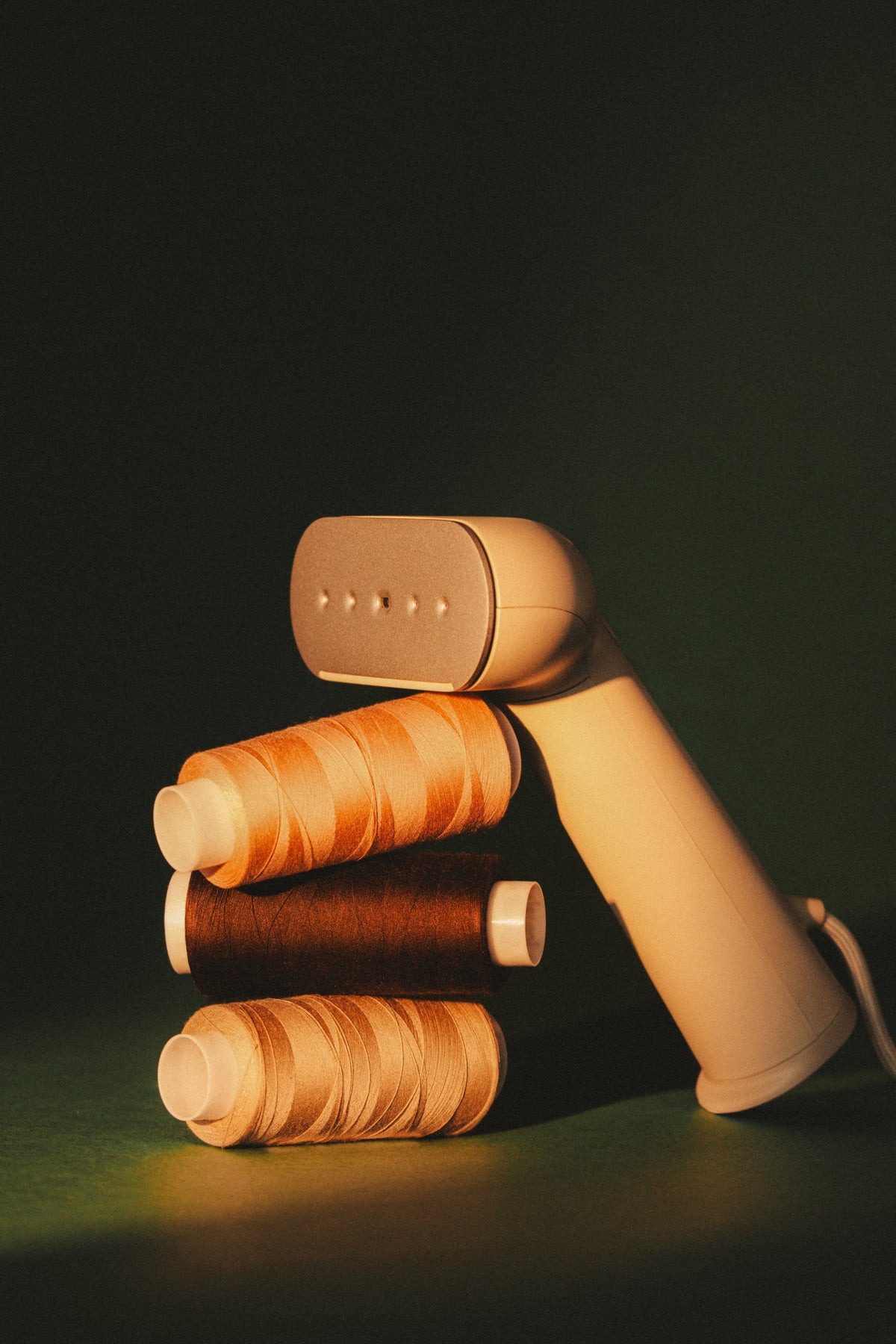
From daily care to destination dressing, explore our guide to finding the right garment steamer for your wardrobe.

Everything you need to know about caring for wool, from washing and drying to preserving its softness and silhouette.
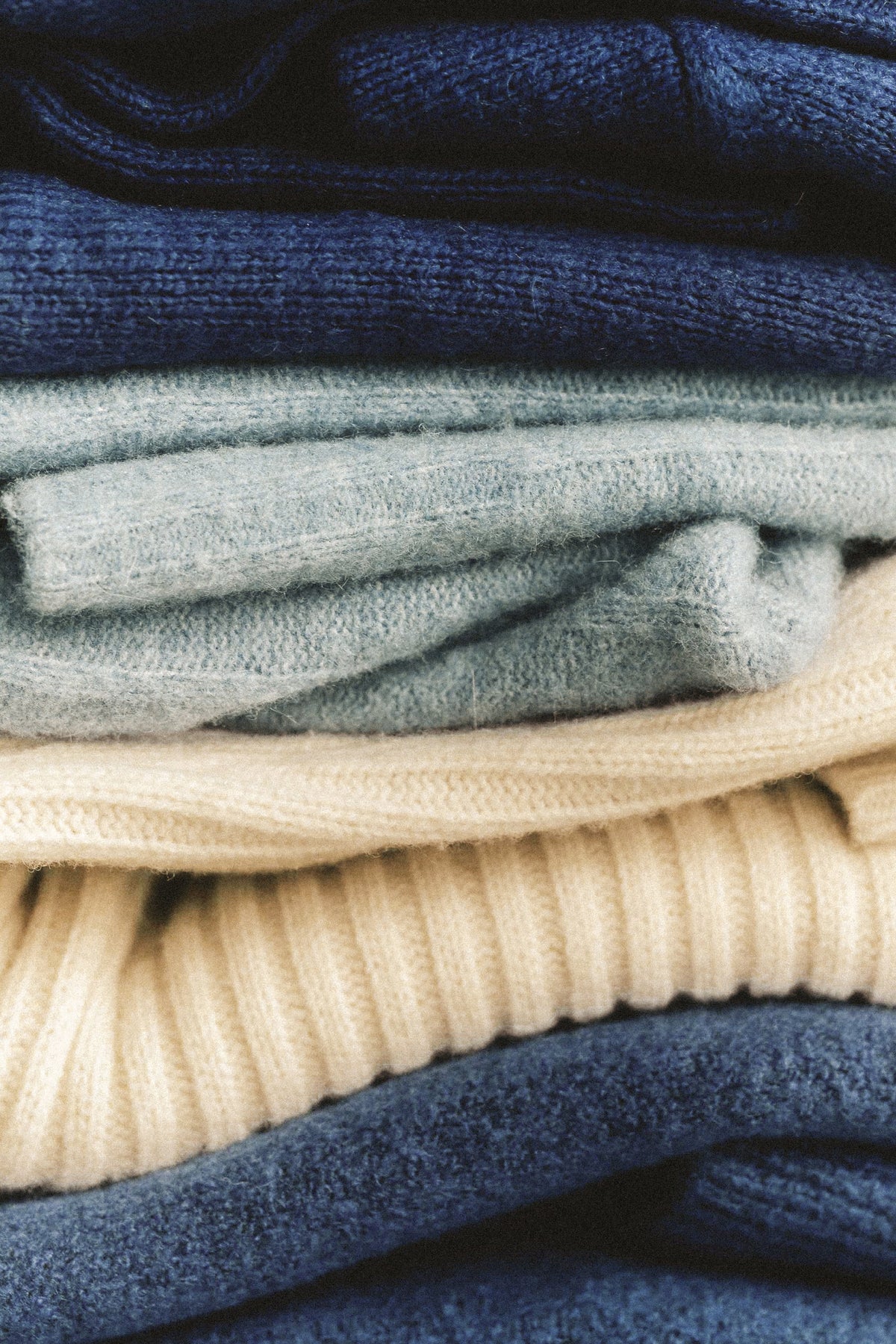
Cashmere deserves special attention. Discover the small acts of care that preserve its softness, silhouette, and drape.

Pilling is a natural part of a garment’s life. Learn how to restore the natural beauty of the fabrics in your wardrobe.
Please confirm your location