


Care advice for gym clothes and activewear
Functional wear works hard. A few simple habits keep it performing, smelling good, and lasting longer.

Storing winter clothes isn't just tidying up. It's the first act of caring for what you already own.
The clothes you store well are the ones you're still wearing in ten years.
Winter coats, knits, and down jackets don't ask for much. But they do ask for a little attention before they disappear into storage for six months.
The capsule wardrobe idea has been circulating for a reason. Choose a working set of pieces, rotate out the rest, and something useful happens: you start rediscovering clothes you forgot you owned. Seasonal storage isn't a chore. It's a way to make your whole wardrobe feel considered.
Here's how to do it well.
Wash everything first
Moths and fur beetles are drawn to natural fibers like wool, cotton, and cashmere. They strongly prefer worn garments over clean ones. Storing unwashed clothes is the fastest way to lose them. Wash or steam every piece before it goes away. Steamery's Delicate Laundry Detergent is gentle enough for wool and silk, and handles the kind of care wash that most pieces need before going into storage.
Fold knits, hang outerwear
Knits and sweaters should always be folded. Hanging them pulls the shoulders out of shape over time, and a misshapen knit is a hard thing to recover. Use transparent storage boxes so you can see what's inside without opening each one. Cardboard boxes work too, just keep them off damp floors.
Coats, down jackets, and structured jackets do better on hangers. Store them in a garment bag to keep dust off and help them hold their shape through the season.
Cedar over chemicals
A few pieces of cedar wood in your storage box will deter moths and fur beetles without any synthetic sprays. Cedar oil works the same way. Refresh it each season as the scent fades.
Choose the right spot
Damp air is the enemy of stored clothing. Mold is quiet and fast. A space with low humidity, good air circulation, and a stable temperature is the right place for clothes you care about. Attic storage or a heated garage both work well. A basement, unless it's very dry, generally doesn't.
On vacuum bags
Vacuum bags have their place. They keep clothes free from dust, moisture, and insects, and they compress well for tight storage spaces. If you've had issues with vermin before, or you're storing in a basement, they're worth considering. Just make sure knits go in folded, not compressed to the point where the fibers are stressed.
A few minutes spent now saves a lot of disappointment come October. Wash, fold, hang, and protect. That's all it takes to bring your winter wardrobe back in exactly the condition you left it.

Functional wear works hard. A few simple habits keep it performing, smelling good, and lasting longer.

Learn how to wash your down jackets, fleece sweaters, and wool garments. Discover our best laundry advice for classic winter clothes.
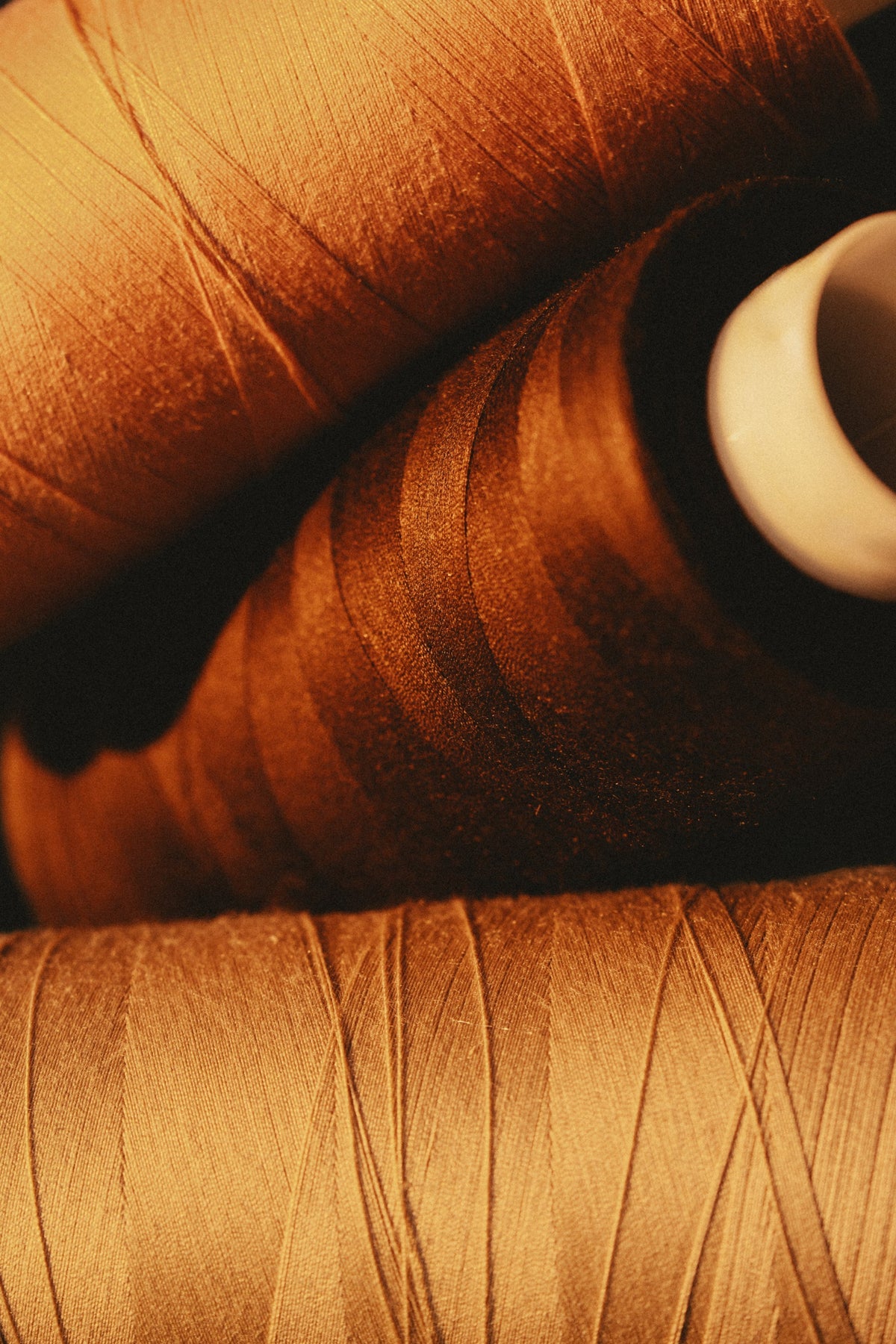
Repair can be a form of renewal, bringing a new expression to the pieces already in your wardrobe.

From daily care to destination dressing, explore our guide to finding the right garment steamer for your wardrobe.
Please confirm your location