


Two steamers. One right choice.
Handheld or upright? Here is how to read your own routine and find the steamer that belongs in it.
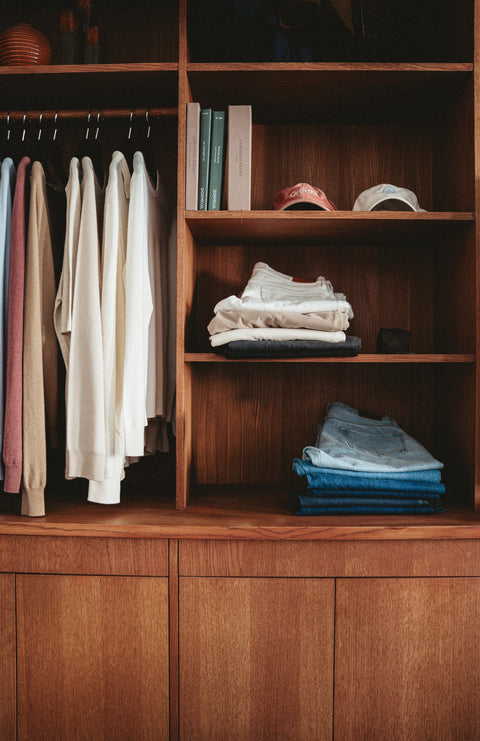
A closet cleanout is one part decision, one part ritual. Here is how to do both well.
The goal isn't a minimal closet. It's an honest one.
There is a particular kind of calm that comes from opening a closet where everything belongs. Not a sparse one, not a curated one for its own sake. Just a closet where every piece has earned its place.
Most of us are not there yet. Clothes pile up. Forgotten things drift to the back. And somewhere in that tangle, the garments we actually love get harder to find.
This is a guide to changing that. Seven steps to a closet cleanout that goes beyond a tidy Sunday and becomes something closer to a considered edit of how you dress.
Before you can organize your closet, you have to see what's in it. Pull everything out. Sort as you go: sweaters in one pile, trousers in another, outerwear together. The act of handling each piece is part of the process. It asks a quiet question: why is this still here?
Go through each category and be honest. How often does it get worn? Does it fit the way it should? Does it still feel like you? Then make the harder calls. The goal is not to reach a number. It is to remove anything that no longer deserves the space.
Throwing clothes away is rarely the right answer. Start with the people around you. A friend might want what you no longer wear, or be willing to trade. A clothing exchange is one of the quieter ways to refresh a wardrobe: no new purchases, no waste, just circulation. Good clothes finding new homes.
For pieces that none of your circle can use, consider reselling or clothing donation. Both extend the life of a garment and keep it out of landfill. And if something is genuinely too far gone, find a local textile recycling point. Some old T-shirts find a second life as a patchwork throw or a tote bag. The worn-out and the wonderfully useful are closer than they seem.
Once you know what stays, take a closer look at condition. Pilling on clothes is one of the most common signs of wear, and one of the most misread. It does not mean a garment is poor quality. Pills form when surface fibers break free and tangle together, and it happens to cashmere just as readily as it does to cotton.
A fabric shaver lifts them cleanly. Run it across the surface and the textile underneath looks like itself again: smooth, even, restored. For other small repairs, a needle and thread handles a loose button. A patch covers a small hole. Scissors take care of a stray thread. Our Lint Brush removes surface lint, dust, and hair from all kinds of textiles, and it does so without the waste of a disposable roller. Small acts, but they add up to a garment
Clothes that have been folded tight in a drawer or pressed against the back of a rail often come out wrinkled and a little stale. The instinct is to wash them and reach for the iron. Resist it. Both washing and ironing wear fabric down over time, and most garments simply don't need either.
Steaming does the job with far less effort and far less damage. Hot steam relaxes the fibers, coaxes them back into their natural shape, and clears odors at the source rather than masking them. It's quick, it's gentle, and it works on almost everything. If you prefer a crisper, pressed finish on shirts or trousers, the Cirrus 3 Handheld Steamer handles both: one pass for a steamed drape, or press flat for a sharper line.
With everything freshened up, the actual work of organizing your closet can begin. If rail space is still tight after editing your wardrobe down, a Space Saving Hanger is a practical fix: it doubles the hangers on a single bar without requiring a single extra centimeter of room.
This is also the moment to rotate. Move what has been living at the back forward. Things you haven't seen in months can feel new again with a little light and a good steam, and you might find combinations you hadn't considered before. Rediscovering what you already own is one of the quieter pleasures of a properly sorted wardrobe.
The average person uses around 20% of the clothes in their closet. Read that again. It's a useful number to sit with when you're standing in front of a freshly decluttered wardrobe, thinking about what comes next.
A considered wardrobe isn't built in an afternoon. It takes time and a little patience: a narrow palette you can mix freely, materials worth caring for, cuts that don't date. The goal isn't a minimal wardrobe or a trend-proof one. It's a personal one, made up of pieces that actually get worn.
When you buy less and choose well, the pieces you bring in tend to stay longer. And the ones already hanging there deserve the same attention.
Good clothing care is how a wardrobe compounds. The right detergent, used correctly, extends the life of a fiber wash after wash. A gentle brush lifts pilling and surface wear before it settles in. A steamer keeps everything looking considered between cleans.
Clothes that are properly cared for don't just last longer. They age better: a linen shirt pressed and hung after every wear, a wool coat brushed and stored with care, a cashmere knit treated to an occasional gentle wash. These aren't chores. They're small acts of attention that pay back over years, and sometimes over generations.

Handheld or upright? Here is how to read your own routine and find the steamer that belongs in it.

Eight places around your home where a steamer earns its keep, and a few that might surprise you.
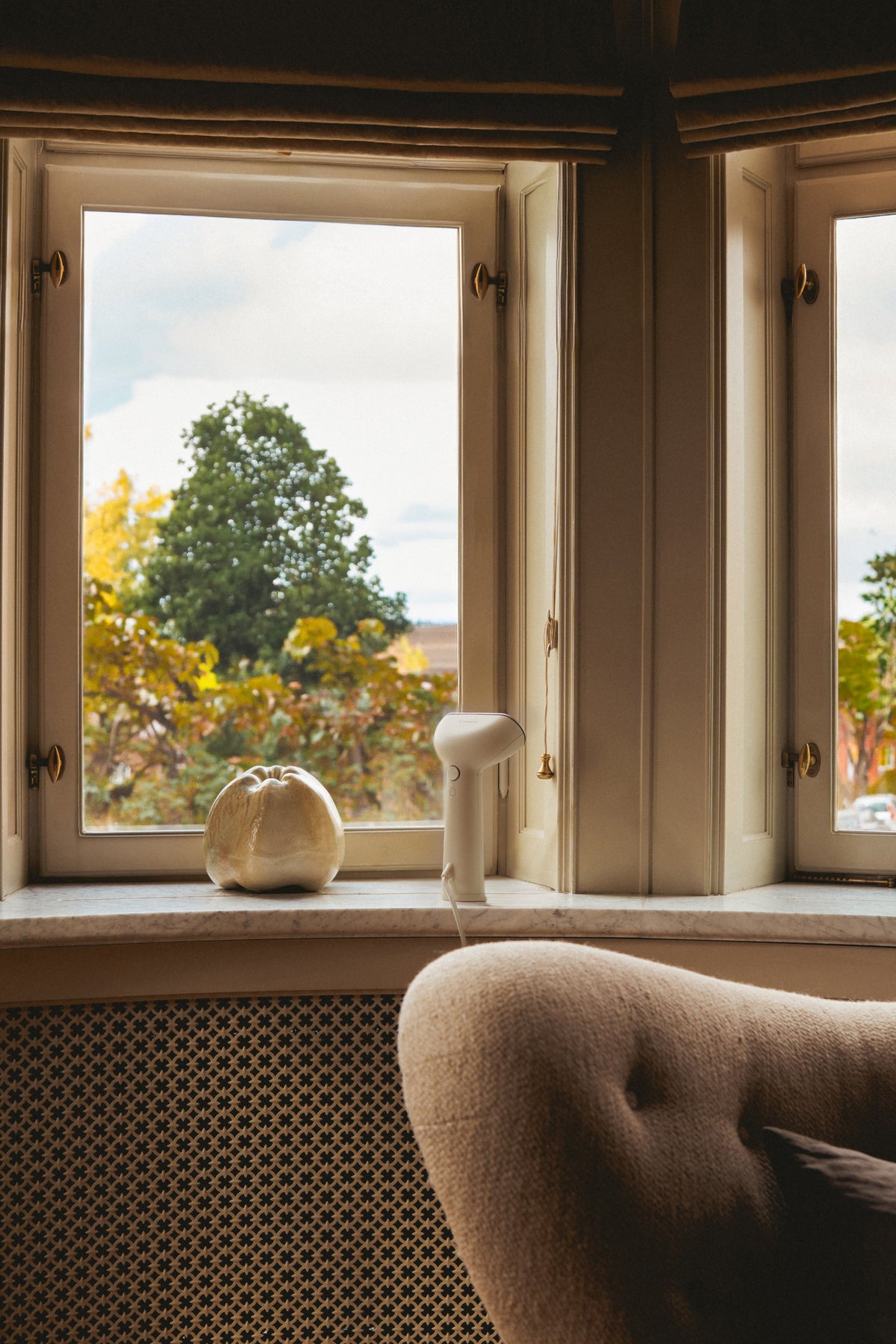
More steam doesn't mean better steam. When it comes to caring for your clothes, quality beats quantity.
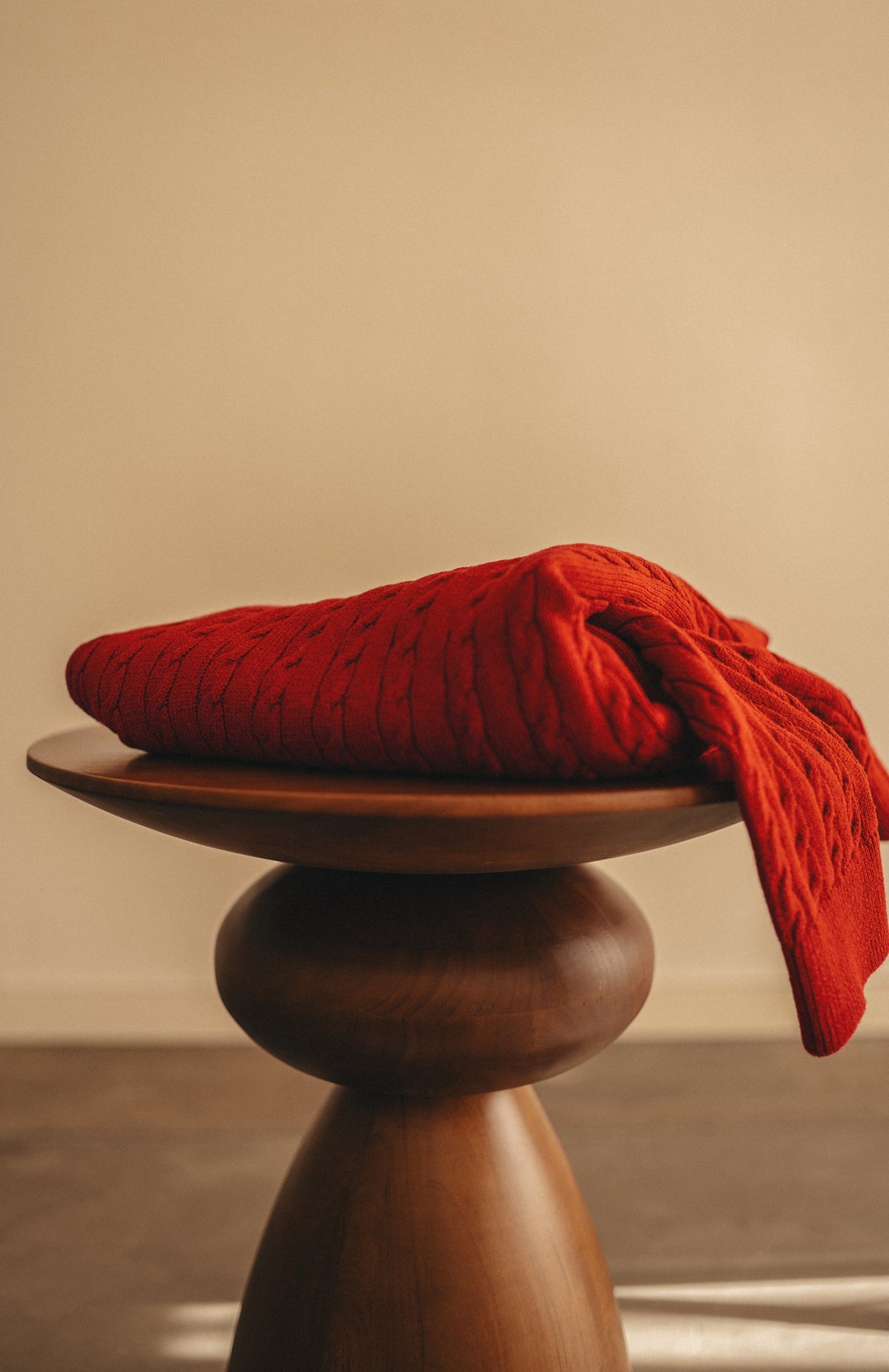
Two methods for rescuing a shrunken sweater. Your wool still has a chance.
Please confirm your location