


Care advice for gym clothes and activewear
Functional wear works hard. A few simple habits keep it performing, smelling good, and lasting longer.

Levi's famously tells customers never to wash their jeans. That'snot quite the whole story. Here's what actually works.
A pair of jeans that hasn't been washed for a year doesn't contain much more bacteria than one washed a week ago.
Jeans are unlike anything else in your wardrobe. Buy them stiff and a little impersonal. Wear them until they aren't. The creases, the fades, the way they break at the hem, all of that comes from you, not a factory. Wash them too often and you interrupt that process before it's had the chance to become anything.
The advice to never wash raw denim, jeans that haven't been washed after dyeing, exists for exactly this reason. The idea is that the fabric shapes itself to the wearer first. A hard machine cycle too soon resets that work.
Most manufacturers land somewhere more practical: wash as rarely as possible, a few times a year at most. Once a month is a reasonable rhythm for everyday jeans, less if they're not being worn hard.
TO WASH OR NOT TO WASH
How often to wash jeans is the question most people get wrong. The instinct is to treat them like other cotton: wear a few times, wash. But denim rewards patience. In between washes, hang them outside and let the fabric breathe. Air does more than people expect. Spot clean anything localized, a drop of something on the thigh doesn't call for a full cycle.
There's also the bacteria question, which comes up often. The short answer is yes, bacteria accumulate, particularly in the crotch area. The more honest answer is that this matters less than it sounds. A healthy skin barrier handles it. And a pair worn for a year without washing carries roughly the same bacterial load as one worn for a week. Not all of it is harmful.
The exceptions are worth knowing. If you've had a stomach bug, or if there's a fungal infection involved, wash regardless of how clean the jeans look. Hygiene takes priority over patina.
REMOVING ODORS FROM JEANS
Cotton breathes, which is one of the reasons denim manages as well as it does between washes. Hanging jeans outside after wearing them lets that breathability work. Fresh air clears most odours before they settle. A light mist of Steamery's Fabric Spray helps too, especially on days when airing isn't enough.
The freezer method comes up in almost every denim conversation, and it doesn't hold up. Cold temperatures don't kill bacteria. They pause them. As soon as the jeans warm back up, everything reactivates. The smell returns with it. Airing is slower and less dramatic, but it's the approach that actually works.
How to wash your jeans to make them last longer
Denim loses color a little with every wash. The goal is to slow that down.
Use a gentle cycle and keep the temperature at or below 30°C. Raw denim does better with hand washing;
Before you start, empty every pocket, zip up the fly, and turn the jeans inside out. Inside-out washing keeps the outer surface away from friction and heat, which is where color loss begins. Tuck them into a laundry bag for extra protection.
Treat any stains before the wash goes on. A targeted pretreat takes far less out of the fabric than a hotter or longer cycle would.
Choose a detergent made for color protection, like our Signature Detergent. Skip the fabric softener entirely, it coats the fibers and accelerates fade over time.
After washing, hang to dry on a drying rack or in a drying cabinet. Tumble drying shortens the life of denim and pulls color out faster than almost anything else.
Once dry, steam the jeans to restore their shape and soften the fabric back up. A few passes with a steamer and they'll hang the way they should.

Functional wear works hard. A few simple habits keep it performing, smelling good, and lasting longer.
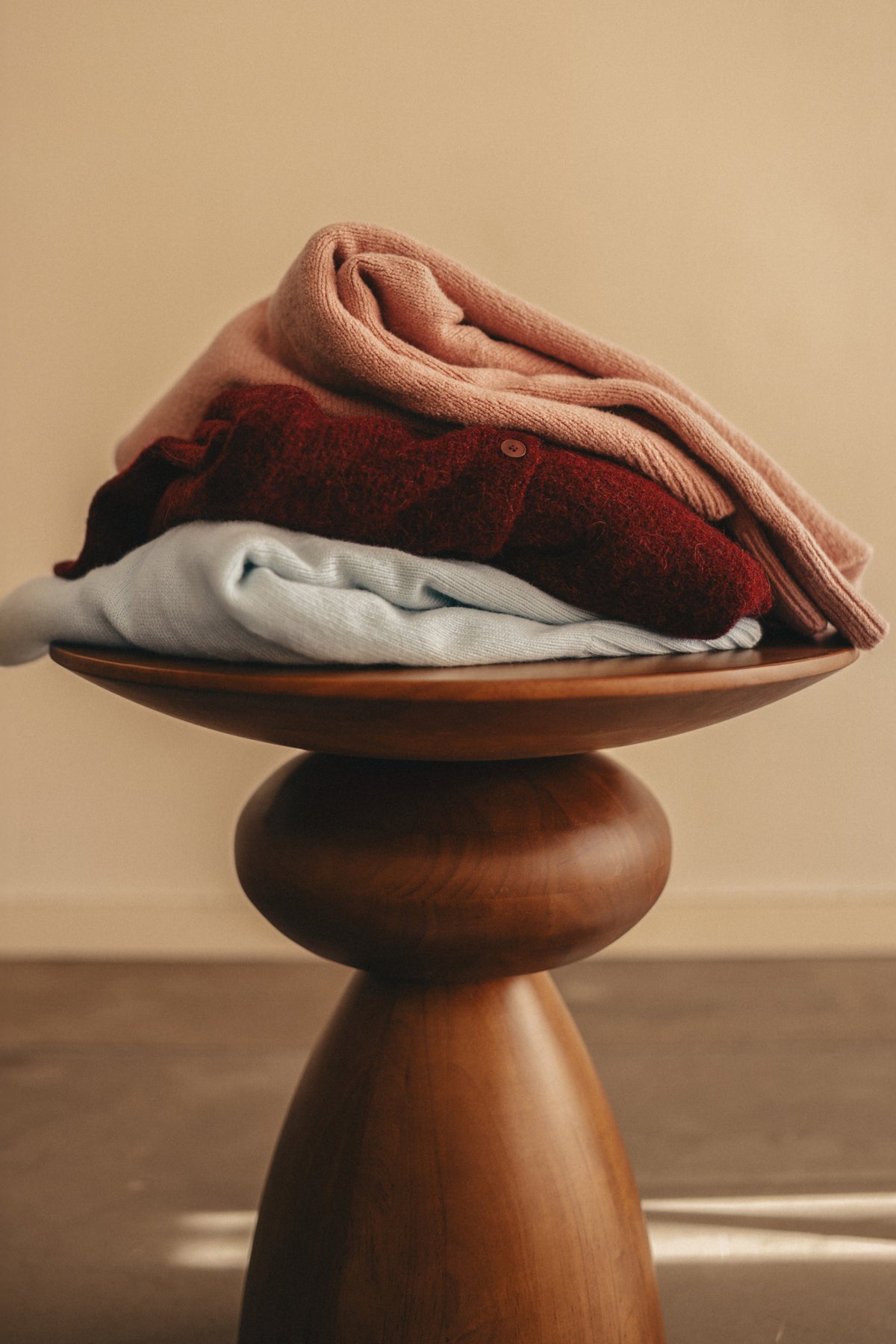
Learn how to wash your down jackets, fleece sweaters, and wool garments. Discover our best laundry advice for classic winter clothes.
Repair can be a form of renewal, bringing a new expression to the pieces already in your wardrobe.
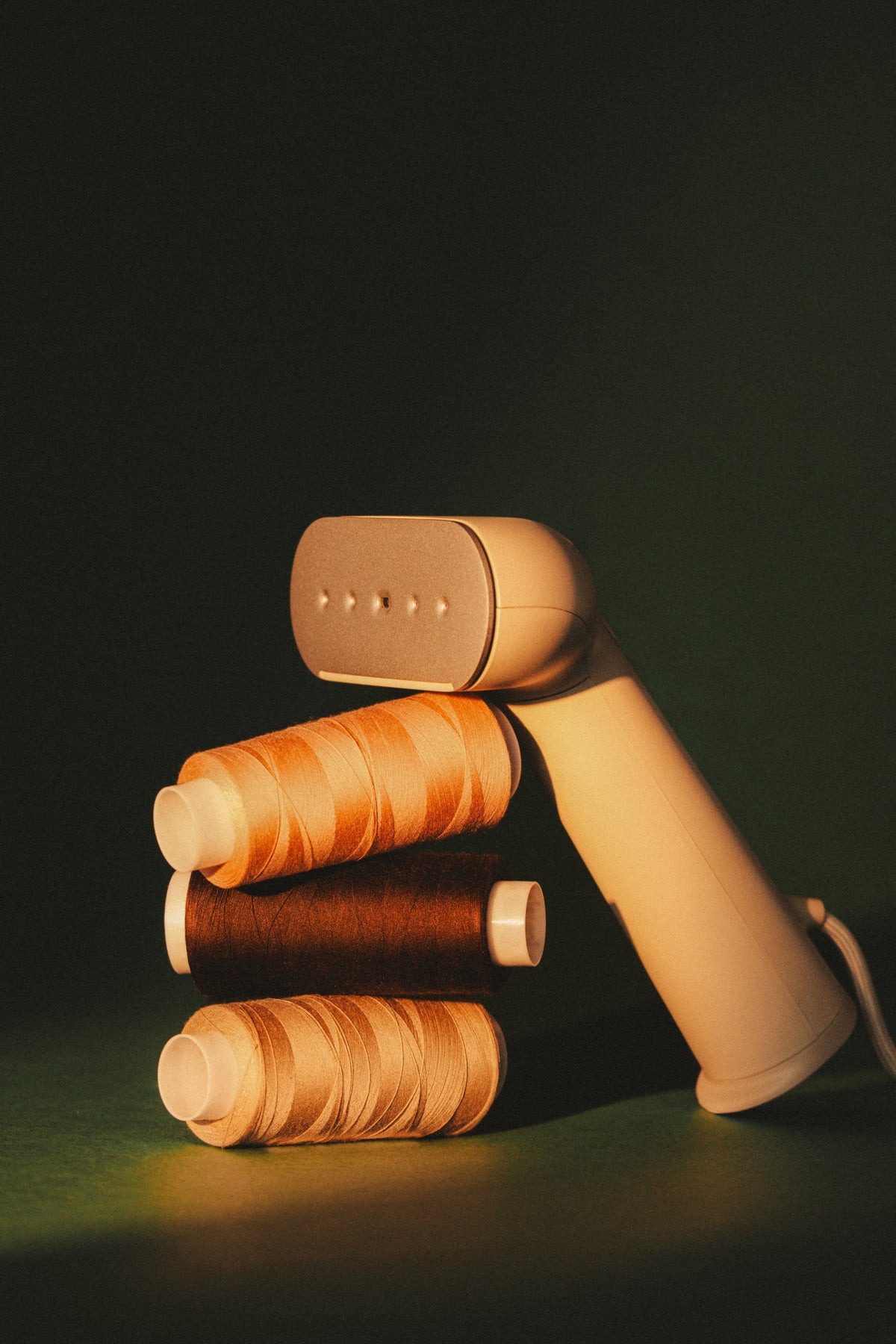
From daily care to destination dressing, explore our guide to finding the right garment steamer for your wardrobe.
Please confirm your location