


Care advice for gym clothes and activewear
Functional wear works hard. A few simple habits keep it performing, smelling good, and lasting longer.

Research suggests only 7% of laundry is actually dirty. The rest is simply worn. Here is what to do instead of reaching for the detergent.
Clothes are washed out long before they are worn out. The solution is washing less. The reward is clothes that last.
Hand on heart: how often does a garment go straight from your body to the laundry basket after a single wear? A study found that only around 7% of clothes put in the wash are genuinely dirty. The rest have simply been worn. Which raises a useful question: what do you actually do with the other 93%?
The washing machine is rightly celebrated as one of the great labor-saving inventions of the industrial era. For the people doing the washing, it was a liberation. For the clothes themselves, the story is more complicated. Every cycle puts real strain on fabric and seams. Colors fade. Fibers thin and weaken. Seams begin to give. Modern machines use far less energy and water than older ones, and yet up to 20% of a garment's total climate impact still comes from being laundered. The case for washing less is both practical and environmental. Clothes last longer. You spend less time on laundry. Everyone wins, especially your wardrobe.
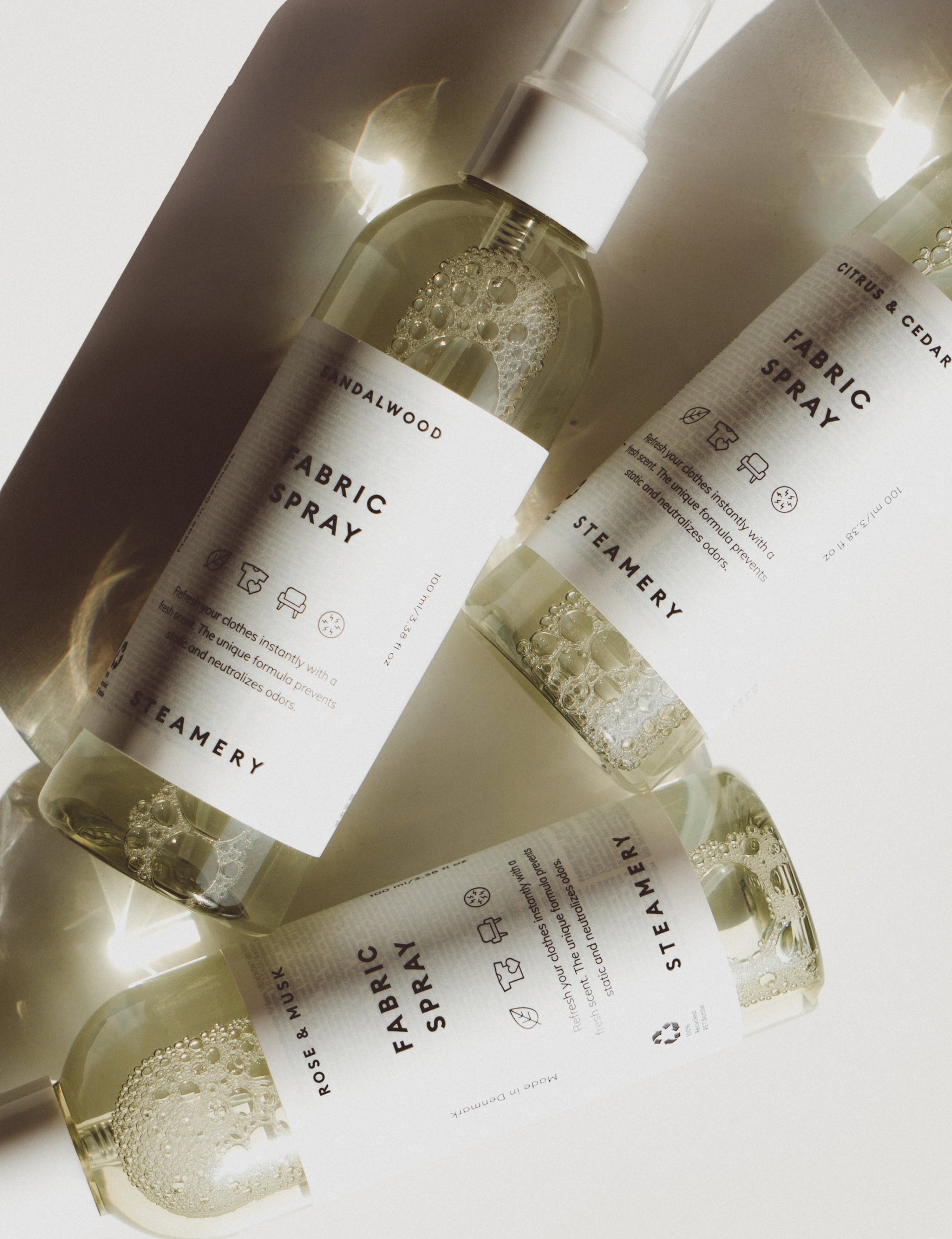
For strong smells, including sweat, cooking, or cigarette smoke, airing alone often falls short. Steamery's Fabric Spray is a spray built around biotechnology: good bacteria that neutralize the odor-causing bacteria at the source. Spray directly onto the affected area, whether that is the underarm of a t-shirt or the inside of a sneaker, and the smell goes. It works on any fabric, but it is especially useful on synthetic blends, where fresh air has very little effect.
For clothes made from natural fibers, cotton, linen, hemp, viscose, silk, and wool, hanging them outside or near an open window overnight is often all they need. Fresh air draws out odor and resets the fabric. It costs nothing and asks almost nothing of you. For synthetics like polyester, acrylic, nylon, and elastane, skip this step. Synthetic fibers do not breathe, so airing them out rarely makes much difference. Reach for the Fabric Spray instead.
Not every mark on a garment is a stain. Dust, pet hair, and surface-level dirt that has not worked its way into the fabric can simply be brushed off. A good clothing brush handles the lint on a wool coat, the mud on the outside of a pair of jeans, or the hair on a child's outerwear, without any water at all. Try it before you decide something needs a wash. The result often surprises people.
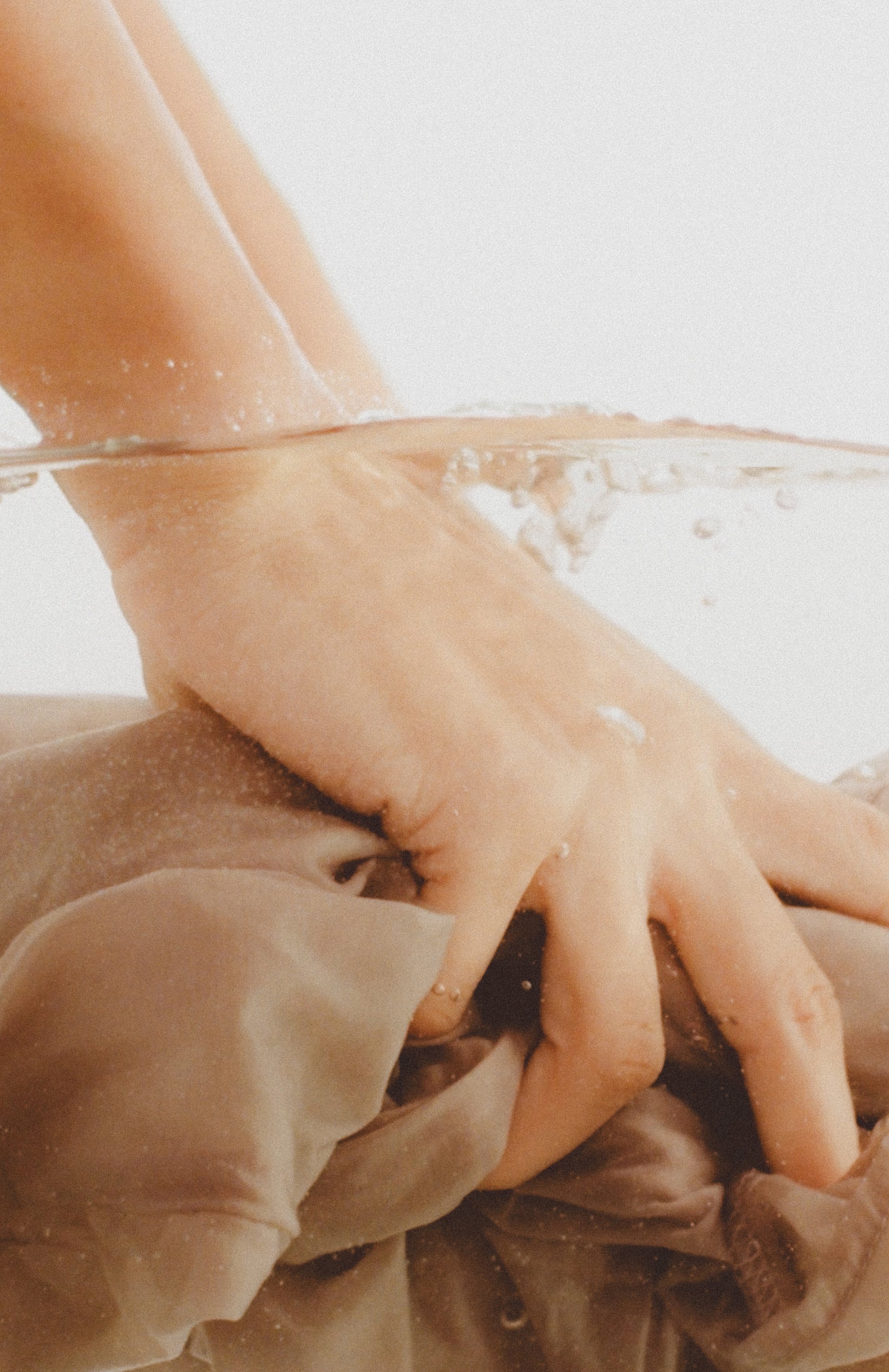
Spills from lunch, berries from an afternoon snack, grass from the playground. The marks our clothes collect are a kind of record, small evidence of a life actually lived. And most of the time, they don't call for a full wash. They call for a little attention, applied in the right place.
If you move quickly and treat a stain before it sets, you can often save the whole garment from an unnecessary cycle. Knowing how to remove stains from clothes is one of the most useful things you can learn about clothing care. The stain is the problem. The rest of the garment is fine.
For grease-based stains, butter, cooking oil, salad dressing, reach for something that dissolves fat. A colorless dish soap or bile soap works well here; bile soap in particular is gentle on natural fibers and safe on color. For stains like blood, ice cream, berries, or grass, a stain remover is a good first move. Apply it directly to the stain, let it work for a moment as it bubbles, then rinse with water or dab gently with a damp sponge.
If the stain needs a little more, try soaking it in detergent before rinsing. Our Signature Laundry Detergent contains a blend of surfactants that are effective on the most common everyday stains, without being harsh on the fabric around them. A targeted treatment is almost always kinder to a garment than a full machine wash.
Once you start treating stains this way, washing only what is genuinely dirty, the habit tends to stick. Fewer cycles, less wear on the fabric, and clothes that hold their shape and color for longer. That is not a shortcut. It is just better care.

Functional wear works hard. A few simple habits keep it performing, smelling good, and lasting longer.
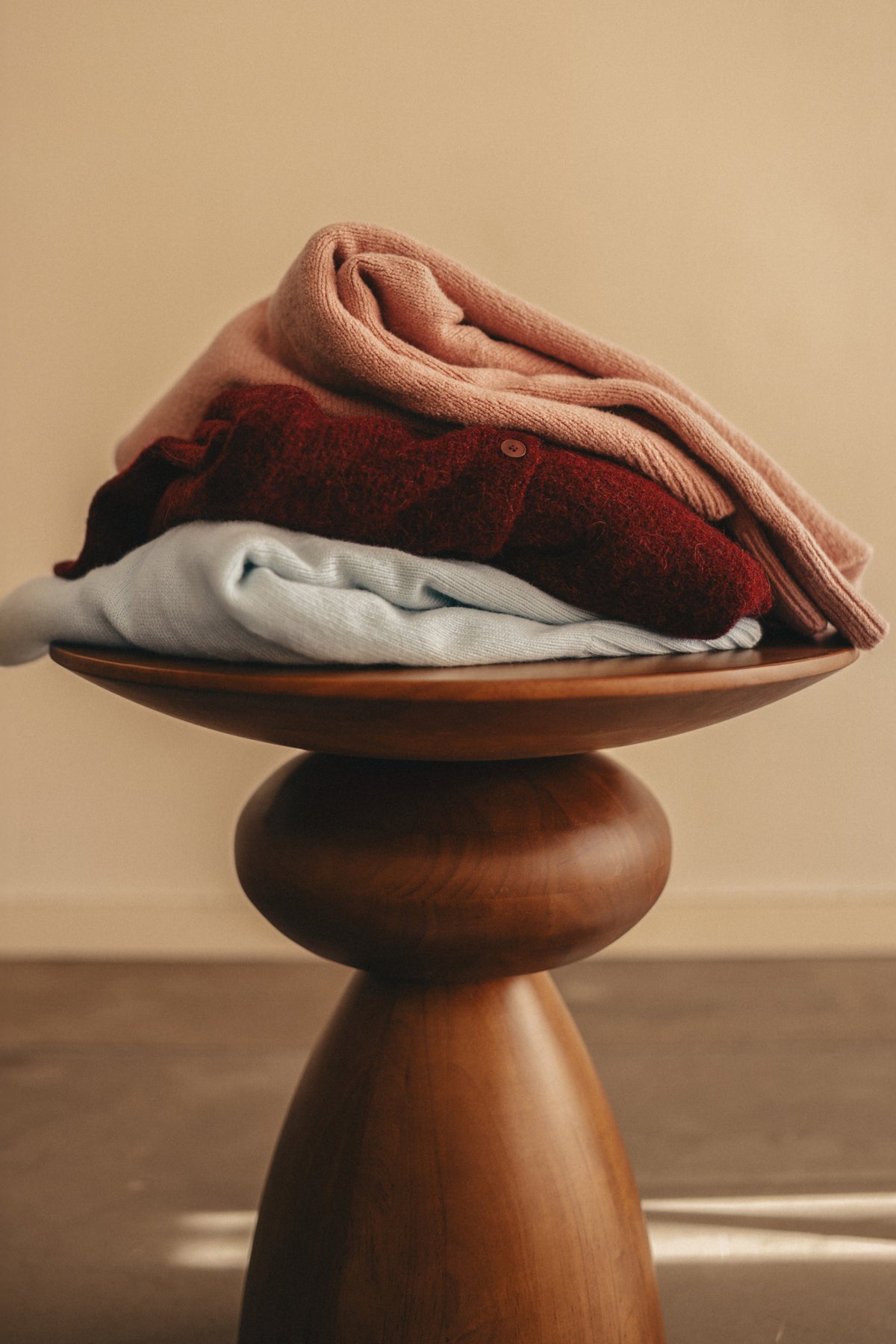
Learn how to wash your down jackets, fleece sweaters, and wool garments. Discover our best laundry advice for classic winter clothes.
Repair can be a form of renewal, bringing a new expression to the pieces already in your wardrobe.
From daily care to destination dressing, explore our guide to finding the right garment steamer for your wardrobe.
Please confirm your location