


Care advice for gym clothes and activewear
Functional wear works hard. A few simple habits keep it performing, smelling good, and lasting longer.

Activewear is built for performance, but it needs a little more from you in return. Here is what to know.
The goal isn't just clean. It's functional.
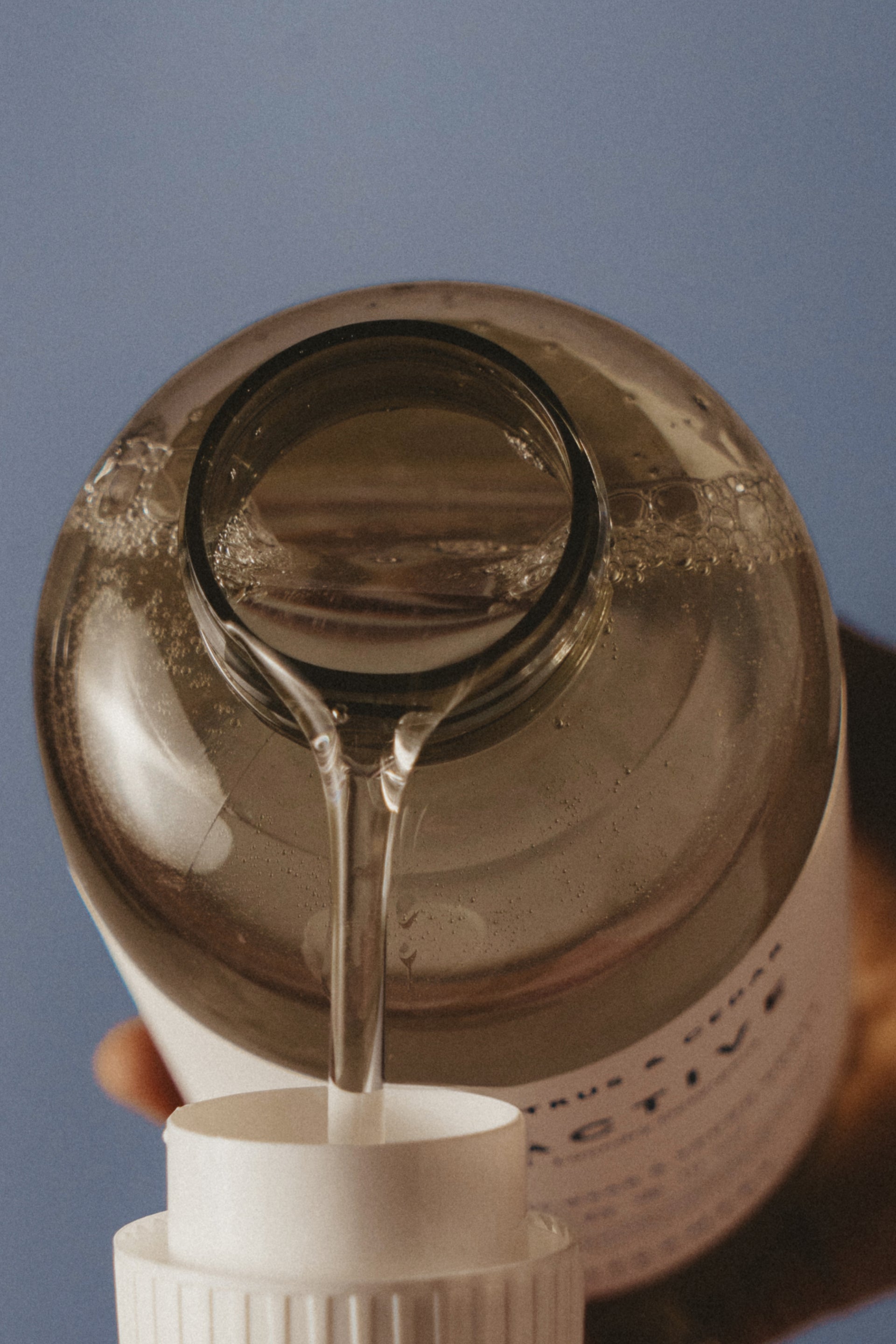
Functional wear is the collective name for garments designed to do something beyond the basics: move sweat away from your skin, regulate temperature, or keep rain out. Because these properties are built into the fabric itself, how you wash and store them matters more than it does with everyday clothing.
Most activewear is made from synthetic blends: polyester, elastane, and their brand-name relatives like spandex and lycra. These fabrics have real advantages. They resist dirt, move with your body, and won't crease after a wash. But they also have trade-offs worth understanding. Synthetic fibers are oil-based and made from nonrenewable sources. Synthetic fabrics also trap odor readily, and unlike wool, they offer no insulating warmth when wet: a meaningful consideration if you wear them as a base layer in cold conditions.
Wool is another story entirely, and we have written separately about how to care for it.
Hard-shell garments rely on a waterproof treatment or membrane to keep water out. Daily wear puts pressure on that surface, and after roughly a month of regular use, you will notice the difference: water no longer beads and rolls off the way it did. Children's hard-shell pants and overalls see particularly heavy use and tend to lose their water resistance faster.
A clothing brush goes a long way before the washing machine ever enters the picture. Use the Clothing Brush on dried mud and dust, and you'll often find a full wash isn't necessary. When it is time to wash, choose a gentle cycle and keep the temperature at 40°C or below. Salt water and heavy sweat are the two triggers worth paying attention to: both break down a garment's protective abilities over time, so don't leave either sitting in the fabric.
A few things to keep in mind when you do wash:
Airing works well for natural fibers: cotton, linen, viscose, wool. These fabrics breathe, and a good airing session can genuinely refresh them. Synthetics are a different story. Most outdoor gear and gym clothing is made from plastic-based materials that don't breathe in the same way. Hanging them outside won't do much.
If you want to cut down on washing, Fabric Spray is a practical middle step. It's lightly scented, works across all fabric types, and can freshen up both hard-shell and workout pieces between washes.

Functional wear works hard. A few simple habits keep it performing, smelling good, and lasting longer.
Learn how to wash your down jackets, fleece sweaters, and wool garments. Discover our best laundry advice for classic winter clothes.
Repair can be a form of renewal, bringing a new expression to the pieces already in your wardrobe.
From daily care to destination dressing, explore our guide to finding the right garment steamer for your wardrobe.
Hard-shell garments rely on a waterproof treatment or membrane to keep water out. Daily wear puts pressure on that surface, and after roughly a month of regular use, you will notice the difference: water no longer beads and rolls off the way it did. Children's hard-shell pants and overalls see particularly heavy use and tend to lose their water resistance faster.
A clothing brush goes a long way before the washing machine ever enters the picture. Use the Clothing Brush on dried mud and dust, and you'll often find a full wash isn't necessary. When it is time to wash, choose a gentle cycle and keep the temperature at 40°C or below. Salt water and heavy sweat are the two triggers worth paying attention to: both break down a garment's protective abilities over time, so don't leave either sitting in the fabric.
A few things to keep in mind when you do wash:
- Use a liquid detergent. Active Laundry Detergent is formulated for fabrics that hold onto bad odors, making it a good fit for outerwear and activewear. - Skip the fabric softener. It coats fibers and reduces breathability and water repellency. - Dry in a drying cabinet where possible. The heat helps reactivate the DWR waterproofing.
Airing works well for natural fibers: cotton, linen, viscose, wool. These fabrics breathe, and a good airing session can genuinely refresh them. Synthetics are a different story. Most outdoor gear and gym clothing is made from plastic-based materials that don't breathe in the same way. Hanging them outside won't do much.
If you want to cut down on washing, Fabric Spray is a practical middle step. It's lightly scented, works across all fabric types, and can freshen up both hard-shell and workout pieces between washes.
Please confirm your location