


A guide to garment steamers
From daily care to destination dressing, explore our guide to finding the right garment steamer for your wardrobe.

When buying new is unavoidable, material choice matters. These five sustainable fabrics go further, last longer, and ask less of the planet along the way.
The most sustainable material is the one found in the clothes you already own.
Before anything else, a word about buying secondhand. A Swedish study found that the CO2 emissions from a single new pair of jeans equal those of buying 197 pre-loved ones. A new winter coat carries the same footprint as 394 secondhand alternatives. Secondhand is not a compromise. It is the most sustainable choice in clothing, full stop.
That said, there are moments when the secondhand market genuinely cannot help you. When that happens, the next best thing you can do is choose well. The fabrics below are a good place to start.
Linen is made from flax, a plant that grows in cool, wet climates without the need for pesticides or heavy irrigation. Compare that to conventional cotton, which is one of the thirstiest and most chemical-dependent crops in agriculture, grown in warm regions far from where the finished garment is eventually worn.
Linen is also practical. It resists dust naturally, which makes it a good choice for anyone prone to allergies. Cared for properly, a linen piece softens and settles with time. It does not wear out so much as it grows into itself.
Lyocell fabric, widely known by the brand name Tencel, is made by chemically processing wood pulp. What sets it apart from similar cellulose-based materials like viscose and rayon is the closed-loop manufacturing process: the solvents are captured and reused, and the overall energy demand is lower.
The result is a fabric that feels close to silk and holds its shape over time, which makes it a reasonable choice whenever you might otherwise reach for polyester or nylon. Lyocell and Tencel fabric are among the more dependable eco friendly fabrics for everyday wear.
Silk is produced from the cocoons of silkworm larvae. No pesticides are required in the process, though some producers do use chemical fertilizers, so it is worth checking the source when you can.
What makes silk worth considering from a sustainability standpoint is longevity. A well-cared-for silk garment does not need to be replaced season after season. Wash it gently, store it carefully, and it will last for decades. Possibly longer.
Econyl is nylon made from reclaimed plastic waste: fishing nets, industrial offcuts, fabric scraps that would otherwise go to landfill. As recycled fabrics go, it is a meaningful improvement over virgin synthetic materials, which rely on fossil fuels and generate significant chemical waste in production.
There is one real limitation. Like all synthetic fabrics, Econyl releases microplastics when washed. Those particles are small enough to pass through most wastewater treatment systems and end up in waterways. For this reason, Econyl works best in pieces that are washed infrequently
Hemp grows in cold, wet climates without pesticides or chemical fertilizers. Close in texture and drape to linen, it makes a durable, eco friendly fabric that softens with wear. It blends naturally with organic cotton, too, which lets makers adjust weight, hand feel, and breathability depending on the end garment.
Certifications are one of the clearest signals a brand can give you. GOTS (Global Organic Textile Standard) is worth knowing for sustainable textiles: it covers the entire production chain, from raw fiber to finished cloth. Fairtrade certification tells you something different but equally important, that the people who grew and processed the fiber were treated and paid fairly.
Neither label is the whole picture, but both are independently audited. That matters, because not every sustainability claim carries real oversight behind it. When you see a label you don't recognize, it's worth a quick check: who issues it, and who verifies it.

From daily care to destination dressing, explore our guide to finding the right garment steamer for your wardrobe.

Everything you need to know about caring for wool, from washing and drying to preserving its softness and silhouette.
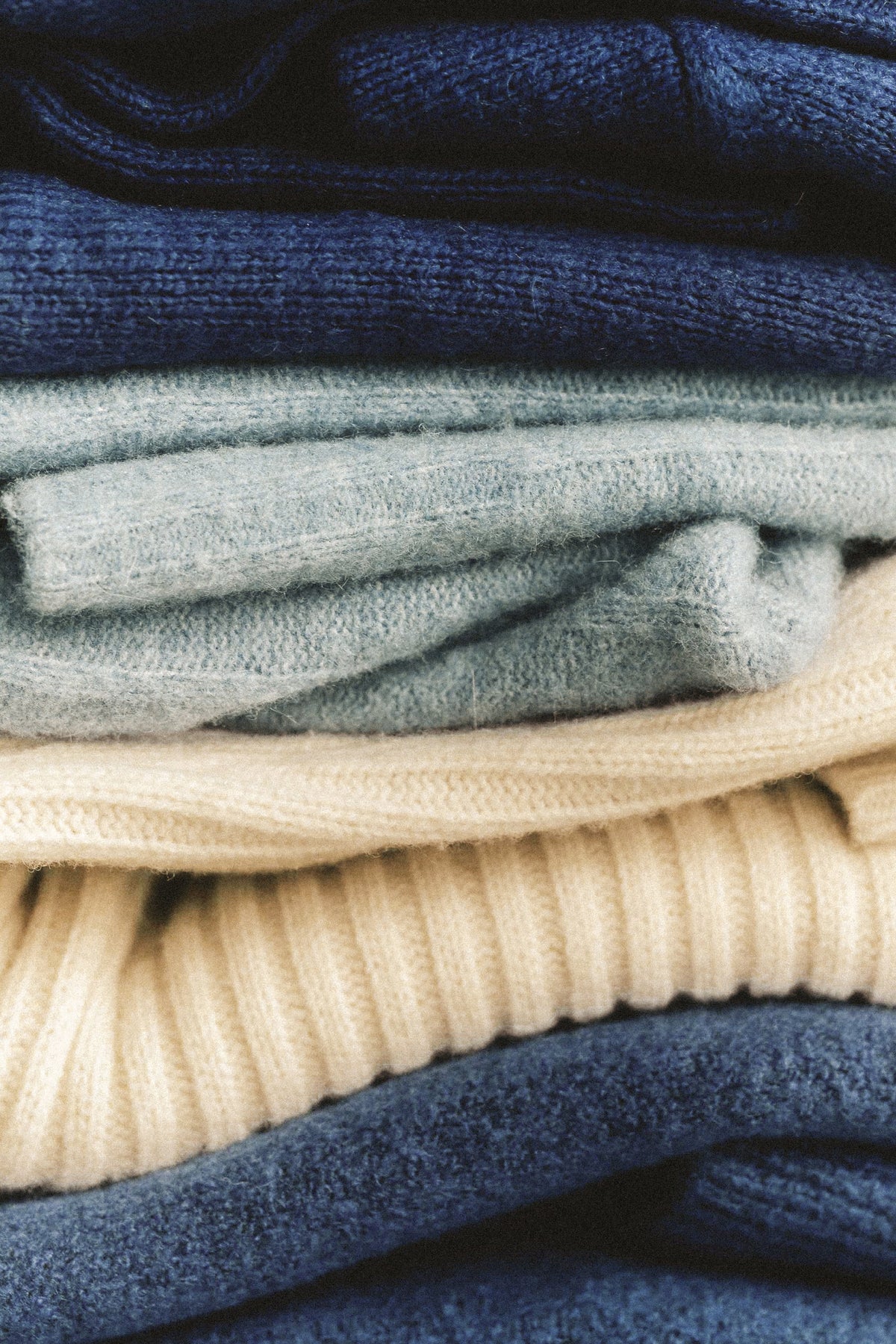
Cashmere deserves special attention. Discover the small acts of care that preserve its softness, silhouette, and drape.

Pilling is a natural part of a garment’s life. Learn how to restore the natural beauty of the fabrics in your wardrobe.
Please confirm your location