


Care advice for gym clothes and activewear
Functional wear works hard. A few simple habits keep it performing, smelling good, and lasting longer.

Steamery co-founder Frej Lewenhaupt shares his thoughts about hand washing clothes the right way. Here's what he had to say.
When removing stains, you can focus on only the affected spot. The rest of the garment doesn't need to be washed at all.
Machine washing is a hard process on clothes. It's not just the water that does the damage. It's the movement: the twisting, the shaking, the relentless agitation that works against fibers, pulls at seams, and slowly unravels hems. Over time, that accumulates.
Hand washing clothes puts you back in control. Frej Lewenhaupt, co-founder of Steamery, shared his thinking with us about when and how to hand-wash the pieces that matter most.
Why hand-wash at all?
The real advantage of hand washing is control. You decide the water temperature, the pressure, and how long each section of the garment is worked. For stain treatment especially, you can treat only the affected area without subjecting the entire piece to a full wash cycle.
Which fabrics should you hand wash?
Any garment you consider genuinely delicate is worth hand washing. As a general rule, check the care label first. Wool, silk, cashmere, merino, and fine knits almost always benefit from hand washing rather than machine washing. High-fashion pieces tend to reward the extra care, too.
What about "dry clean only" garments?
Many "dry clean only" items can be hand washed without issue. The label is often there to protect the brand or supplier from liability, not because the garment will be harmed by water. That said, some fabrics genuinely do react badly to moisture, so it's worth researching the specific textile and any trimmings before you begin. If nothing sensitive comes up, a gentle hand wash is usually fine.
Start by pre-treating any stains. Then fill a clean basin with lukewarm water and add your detergent. Submerge the garment and work the water gently through the fibers with your hands, giving particular attention to areas that need it most. The goal is thorough but unhurried contact, not vigorous scrubbing.
Let it rest for 15 minutes. Then press gently again, working the water and detergent deeper into the fabric. Pour out the solution and rinse with cold water. Repeat once more, finishing with a slow, thorough rinse until the water runs completely clear and no detergent remains.
Squeeze gently to release the excess water. No twisting. Roll the garment tightly in a terry cloth towel and press down to draw out more moisture. Then unroll it, ease the fabric back into shape with your hands, and give extra attention to seams, collars, and cuffs.
From here, how you dry depends on what you're drying. Knits, from a hand-washed sweater to a fine merino, should always be laid flat on a clean surface. Hanging them stretches the fabric out of shape. Woven and jersey fabrics can go on a hanger.
Once dry, reach for a steamer rather than an iron. Steaming is gentler on the fabric, works on almost every textile, and restores that just-finished look without the pressure and heat of a hot plate. When it comes to garment care, it's one of the simplest habits to build, and one of the most rewarding.

Functional wear works hard. A few simple habits keep it performing, smelling good, and lasting longer.
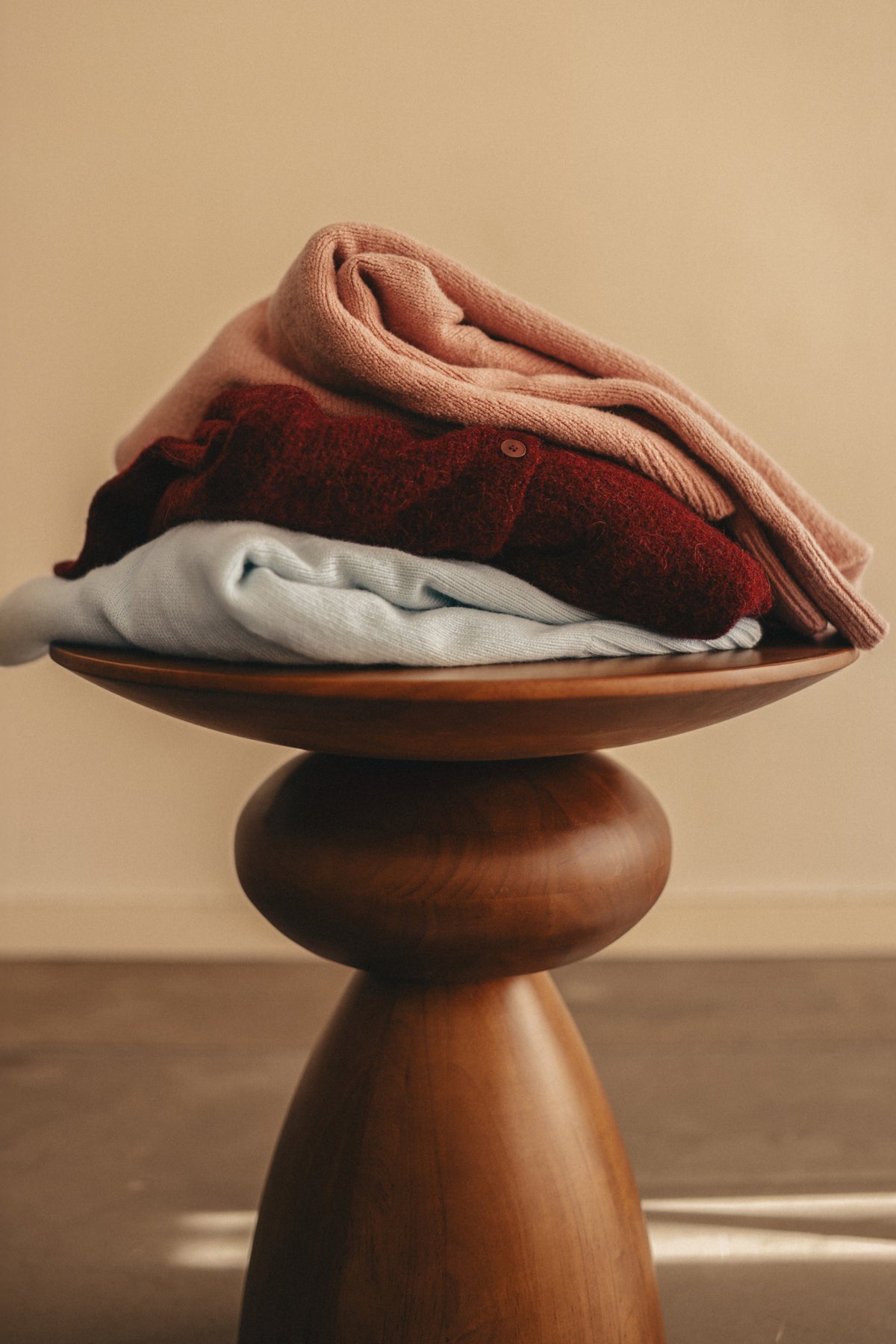
Learn how to wash your down jackets, fleece sweaters, and wool garments. Discover our best laundry advice for classic winter clothes.
Repair can be a form of renewal, bringing a new expression to the pieces already in your wardrobe.

From daily care to destination dressing, explore our guide to finding the right garment steamer for your wardrobe.
Please confirm your location