


A guide to garment steamers
From daily care to destination dressing, explore our guide to finding the right garment steamer for your wardrobe.

Drying is where a lot of garments quietly suffer. A little attention here goes a long way.
The way you dry a garment shapes how long it lives.
Most care labels tell you what not to do. They're less helpful about what to do instead. So here are three clear methods, and when each one earns its place.
Roll your wool garment gently in a towel and press out the water. Do not wring. Lay it flat on a clean, dry surface, a folded towel works well if you don't have a drying rack, and reshape it by hand while it's still damp. If you use a rack, drape the towel over it first, then lay the garment on top. Flip it once or twice as it dries.
Wool fibers are fragile when wet. Gravity pulls a hanging knit out of shape in ways that are hard to reverse, which is why flat drying isn't a preference. It's a rule.
Most garments, natural fibers especially, do better on a drying rack or a hanger than in a dryer. Hang or lay them out as soon as the wash is done. Take a moment to straighten hems and smooth out creases while the fabric is still damp. It takes ten seconds and saves time with a steamer or iron later.
Air drying is slower, but it holds the shape of a garment over many more washes. It's one of the most straightforward things you can do to make clothes last longer.
Keep the tumble dryer for towels and bed linen. For everything else, the heat and mechanical action wear fibers down faster than almost anything else in a laundry routine. If you do use it, add a few dryer balls to cut drying time and reduce static without a chemical dryer sheet.
When in doubt, air dry clothes instead. The drying rack does the same job without the cost.
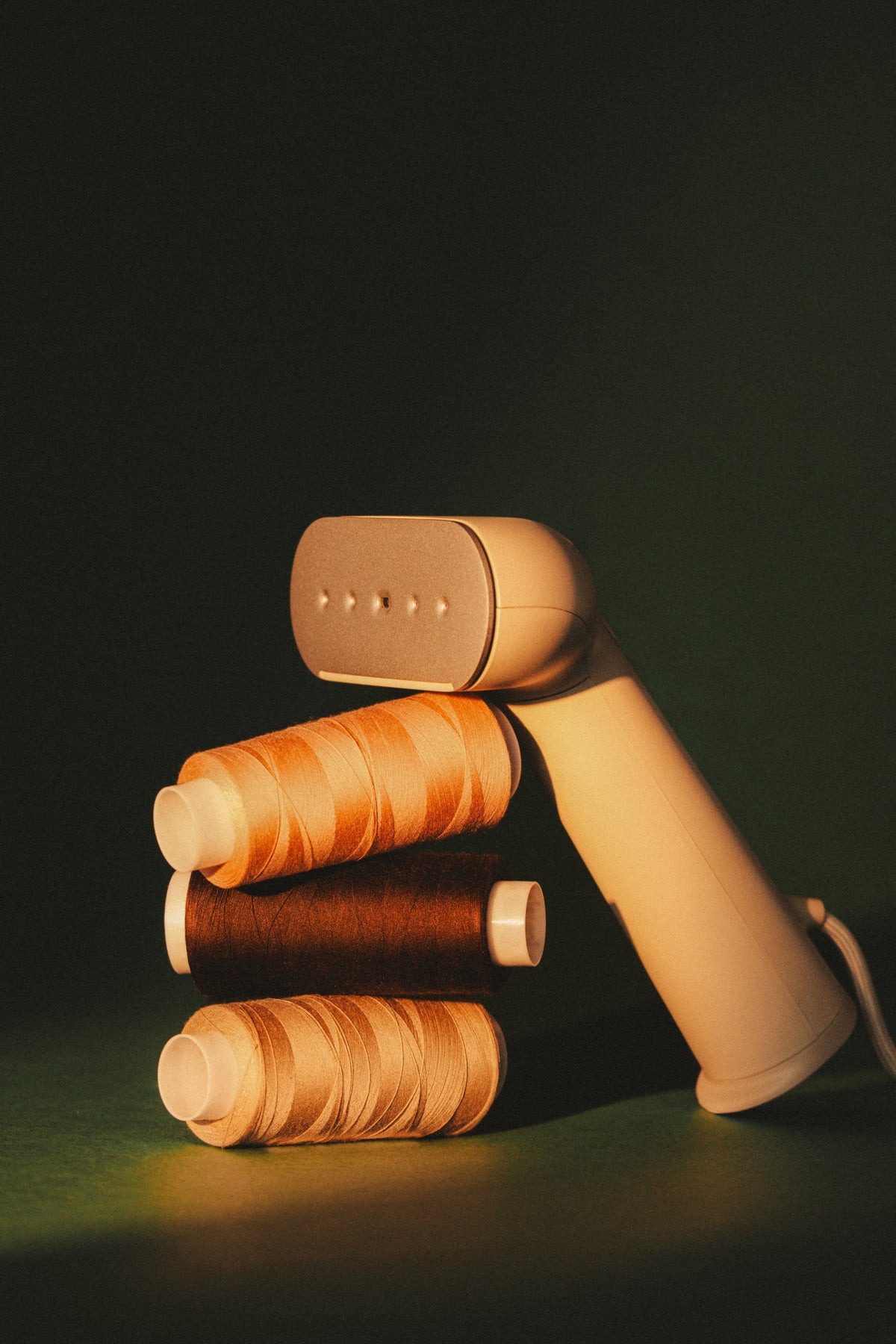
From daily care to destination dressing, explore our guide to finding the right garment steamer for your wardrobe.

Everything you need to know about caring for wool, from washing and drying to preserving its softness and silhouette.
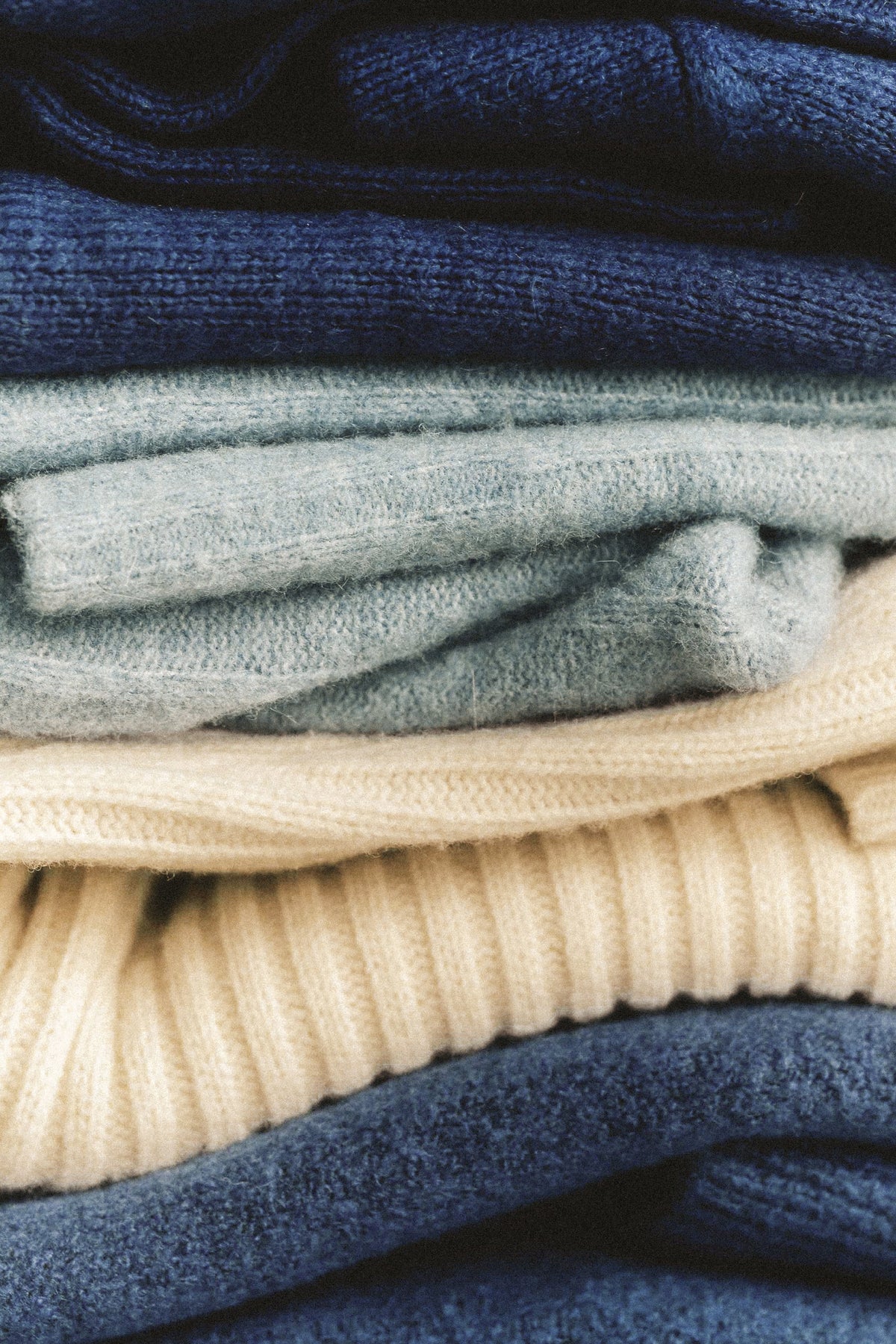
Cashmere deserves special attention. Discover the small acts of care that preserve its softness, silhouette, and drape.

Pilling is a natural part of a garment’s life. Learn how to restore the natural beauty of the fabrics in your wardrobe.
Please confirm your location