


Care advice for gym clothes and activewear
Functional wear works hard. A few simple habits keep it performing, smelling good, and lasting longer.
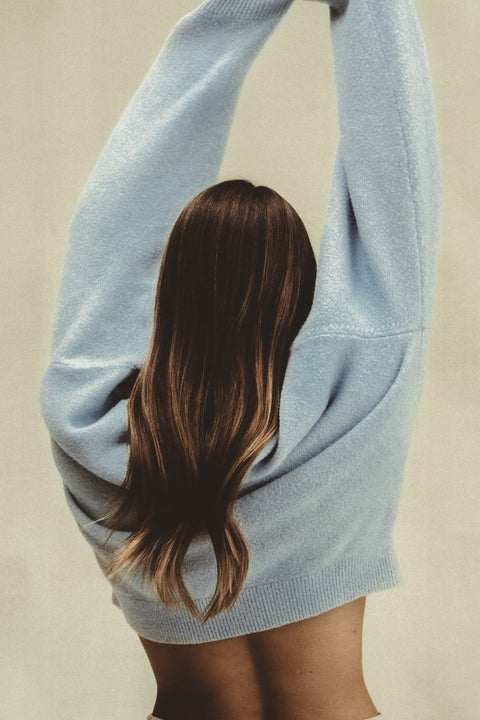
Everything you need to know about caring for wool, from washing and drying to preserving its softness and silhouette.
Caring for wool is simpler than it seems.
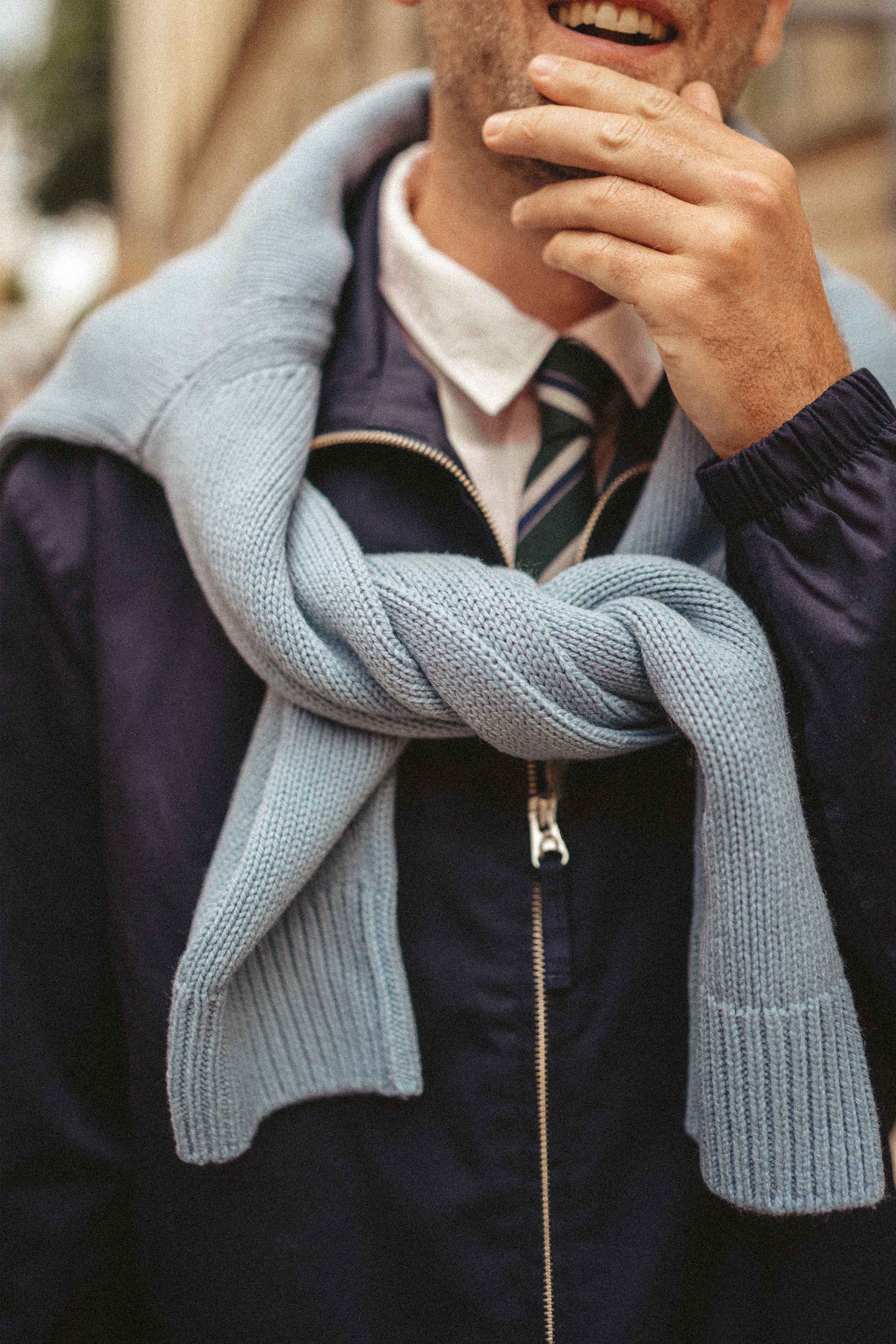
Considered care begins with understanding the materials you wear. The classic wool coat, the chunky wool sweater—wool plays an important rolein many of our wardrobes. Understand how to care for it with research backed by Norway’s National Institute for Consumer Research (SIFO).
Wool is revered for its enveloping warmth and richly tactile hand feel. But those aren't its only benefits—naturally resistant to odor, it stays fresher than other fabrics such as cotton or synthetic fibers. This means that wool doesn’t need to be washed as frequently as the other fabrics in your wardrobe.
Consider the kind of garment before endeavoring to wash wool. Light merino underlayers may require more frequent washing as they sit closer to the skin, whereas chunky knits and wool coats seldom need to be washed more than once per season.
To refresh your wool garments between wears, simply hang them outside overnight or place them by an open window.
Caring for wool is simpler than it seems. Most wool pieces can be safely machine-washed on a gentle cycle. Using an enzyme-free detergent such as our Delicate Laundry Detergent helps preserve the softness and silhouette of your wool garments. Wool can also be washed alongside other fabrics, as long asthey’re suited to the same setting. Just remember to leave the drum around half full to allow garments to move gently through the water.

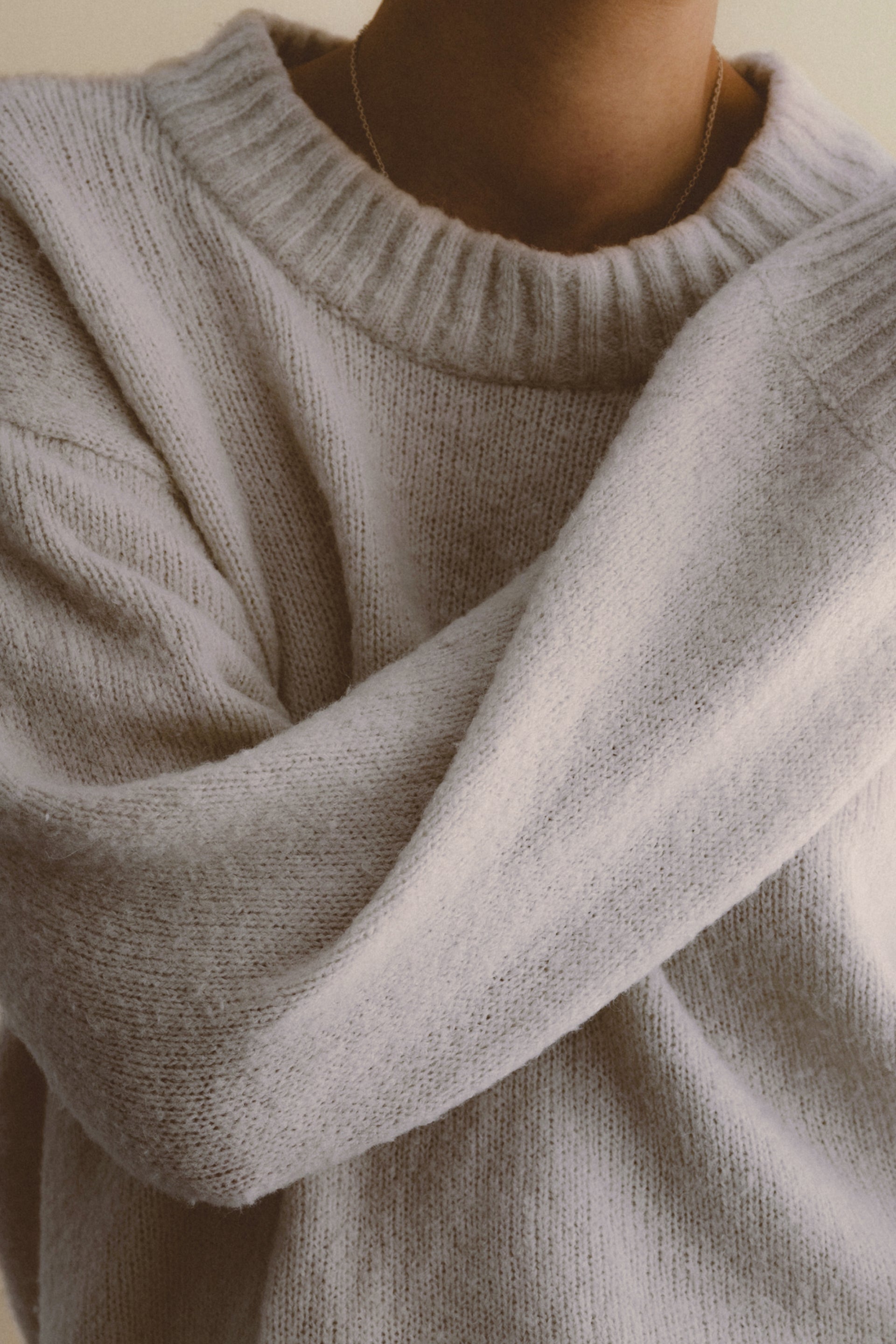
It’s a common misconception that wool can only be washed in very cold water for fear of shrinkage. In fact, it’s not heat alone that can cause shrinkage but the combination of heat and movement.
If your garment requires a warmer wash, be sure to select a gentle spin or dedicated wool cycle to avoid the fibers shrinking.
SIFO found that, contrary to popular belief, wool can be spin-dried without causing shrinkage. When tested at 400, 900, and 1400 RPM, none of the settings caused wool to shrink. That said, wool rarely needs a spin cycle over 800 RPM, so it’s best to err on the side of caution and select a more gentle cycle.
It was also confirmed that wool doesn’t always need to be dried flat. The study found that drying on a hanger didn’t damage the garment, provided it wasn’t too wet when being hung.
It is true that wool garments do stain easily, but with a little care you can effectively treat any accidental spills. It’s always best to treat the stain as soon as it appears before it settles into the fibers. We recommend gently dabbing the area with a clean, damp cloth, avoiding vigorous scrubbing that can damage the delicate fibers.

Functional wear works hard. A few simple habits keep it performing, smelling good, and lasting longer.
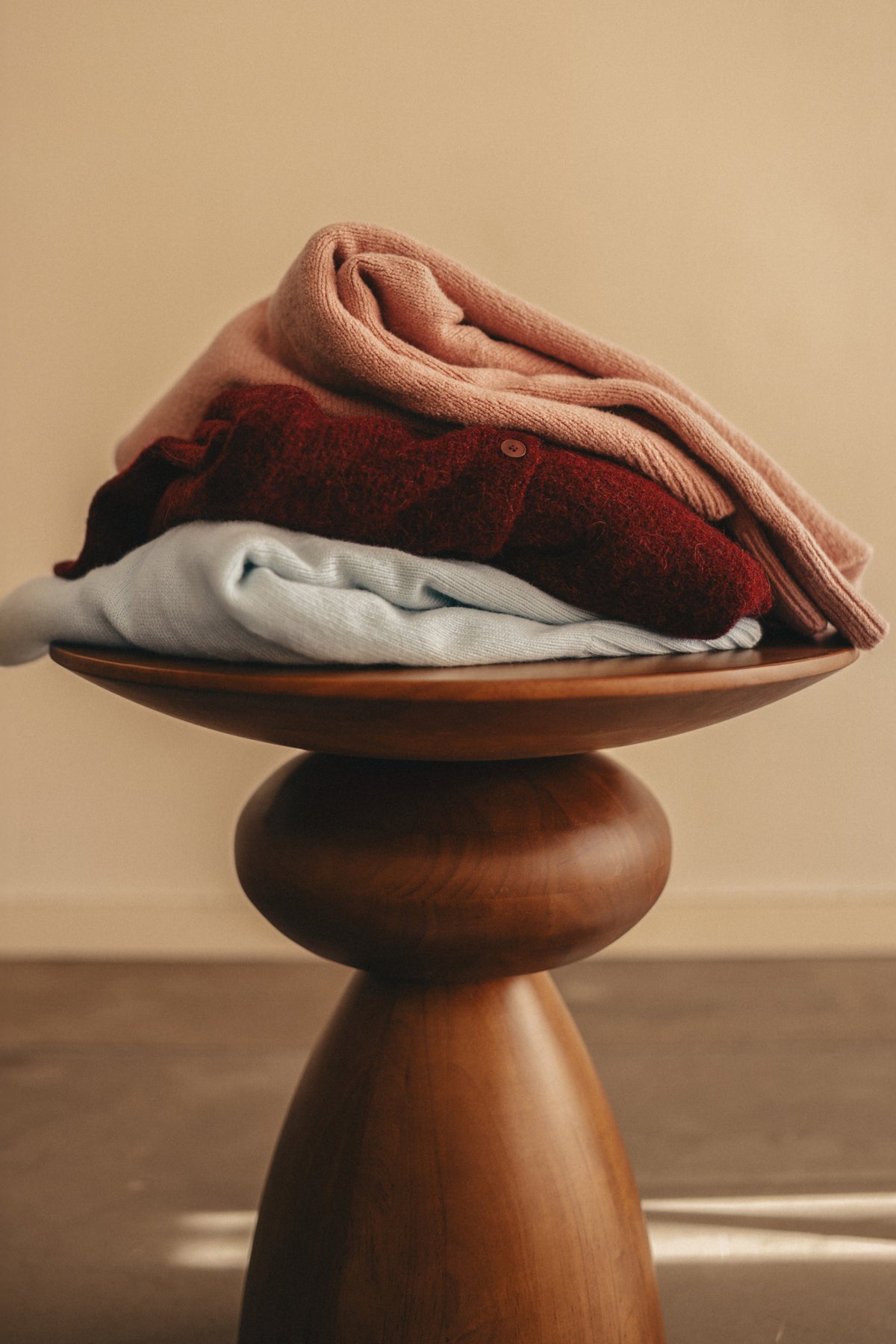
Learn how to wash your down jackets, fleece sweaters, and wool garments. Discover our best laundry advice for classic winter clothes.
Repair can be a form of renewal, bringing a new expression to the pieces already in your wardrobe.
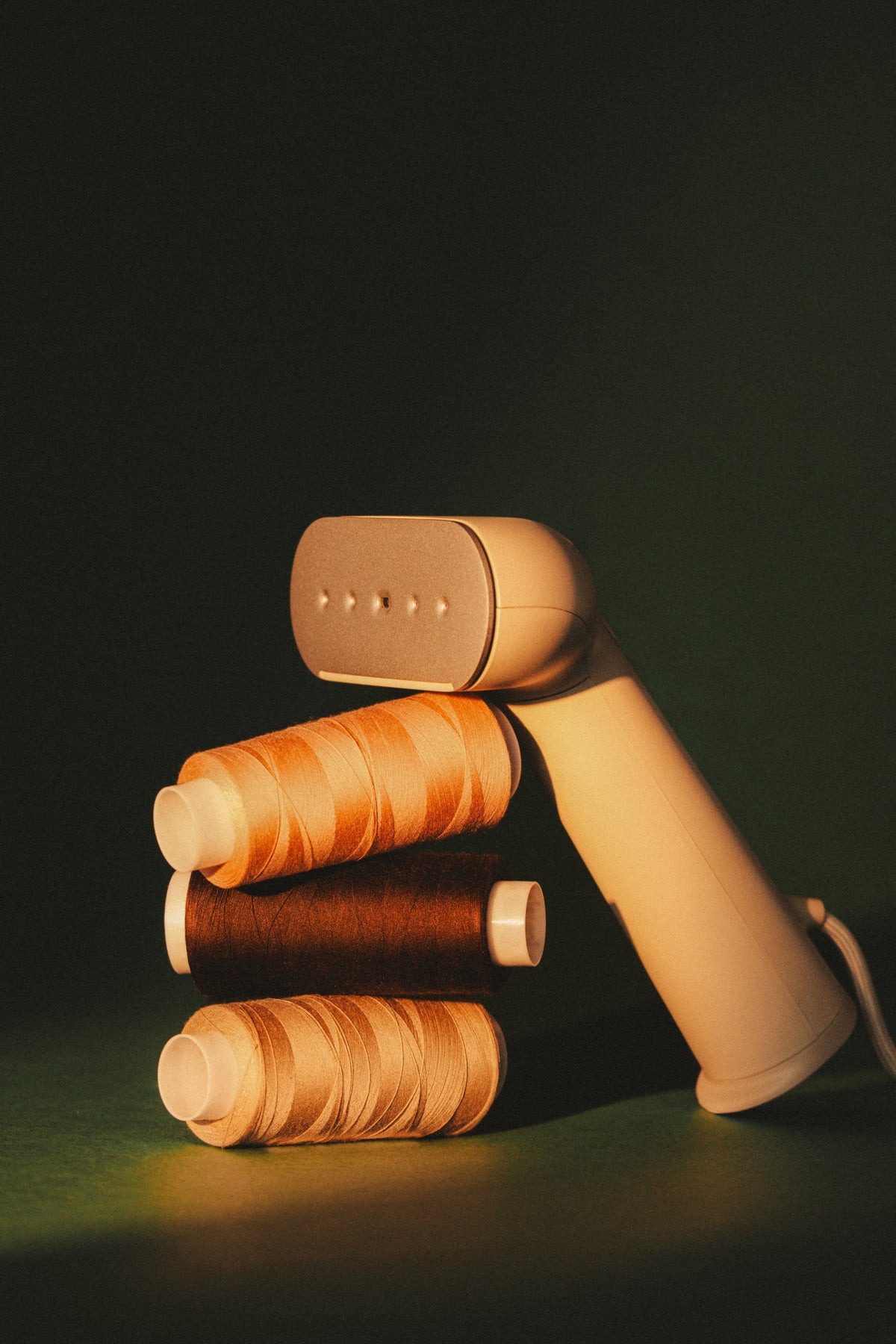
From daily care to destination dressing, explore our guide to finding the right garment steamer for your wardrobe.
Please confirm your location