


How to save your clothes from jet lag
We all know how jet lag affects the body – but have you ever considered what happens to your clothes when they travel?

Are you getting married and want to know how to take care of wedding clothes? We have gathered everything you need to know about how to treat your dress or suit, before, during and after the big day.
When the big day arrives, it's best to be prepared for spills, tears, and wrinkles, so make sure to pack a first aid kit.

Steaming your wedding dress
One of the most frequently asked questions we get is “Can I use a steamer on my wedding dress?” And the answer is: yes. In fact, it is the safest way to remove stubborn wrinkles from delicate materials. And wedding dress steaming does not have to be done by a professional, the cheapest and easiest thing is to bring your own handheld steamers.
Before the wedding: Store in a safe place
Before the wedding, the primary task is to make sure your dress or suit is kept in perfect condition for the special day. Also, good preparations beforehand will minimize the risk of extra maintenance on your wedding day.

Steam your wedding gown, suit, or tuxedo with a steamer to make them wrinkle-free and smooth as a last step before the ceremony.
On the wedding day: Be ready with a first aid kit
When the big day arrives, it's best to be prepared for spills, tears, and wrinkles, so make sure to pack a first aid kit. We suggest our Sewing Kit, baby powder, and a Clothing Brush or Lint Brush. Don’t forget about the steamer to ensure that perfect end result.
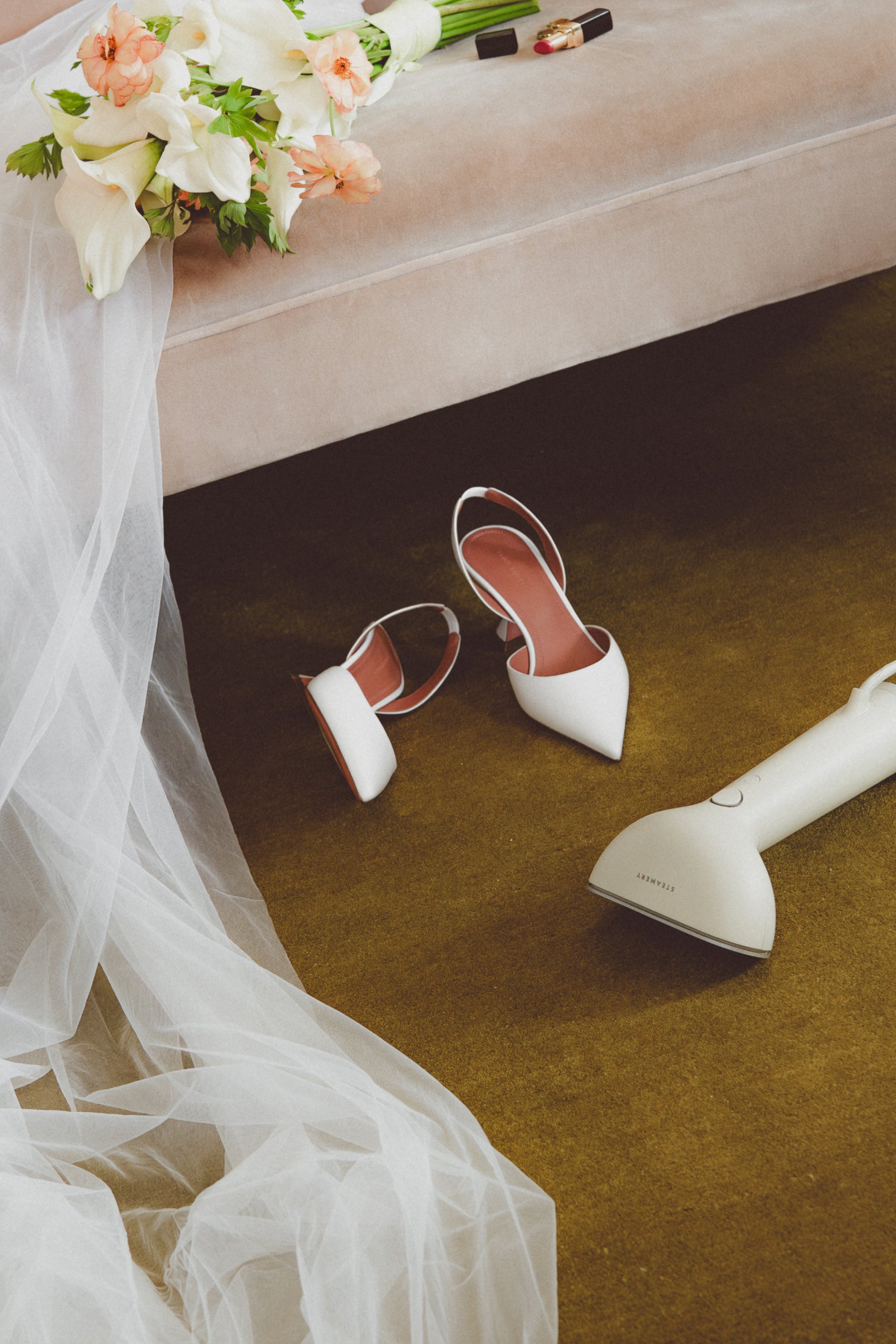
After the wedding: Cleaning and long-term storage
After the wedding, the main aim is to clean and preserve your wedding dress or suit. The trickiest stains are the ones you cannot spot immediately. Spills from white wine and champagne may not be noticeable right away, but they can turn into permanent brown stains after a while. Bring the garments to the dry cleaner as quickly as possible after the wedding.

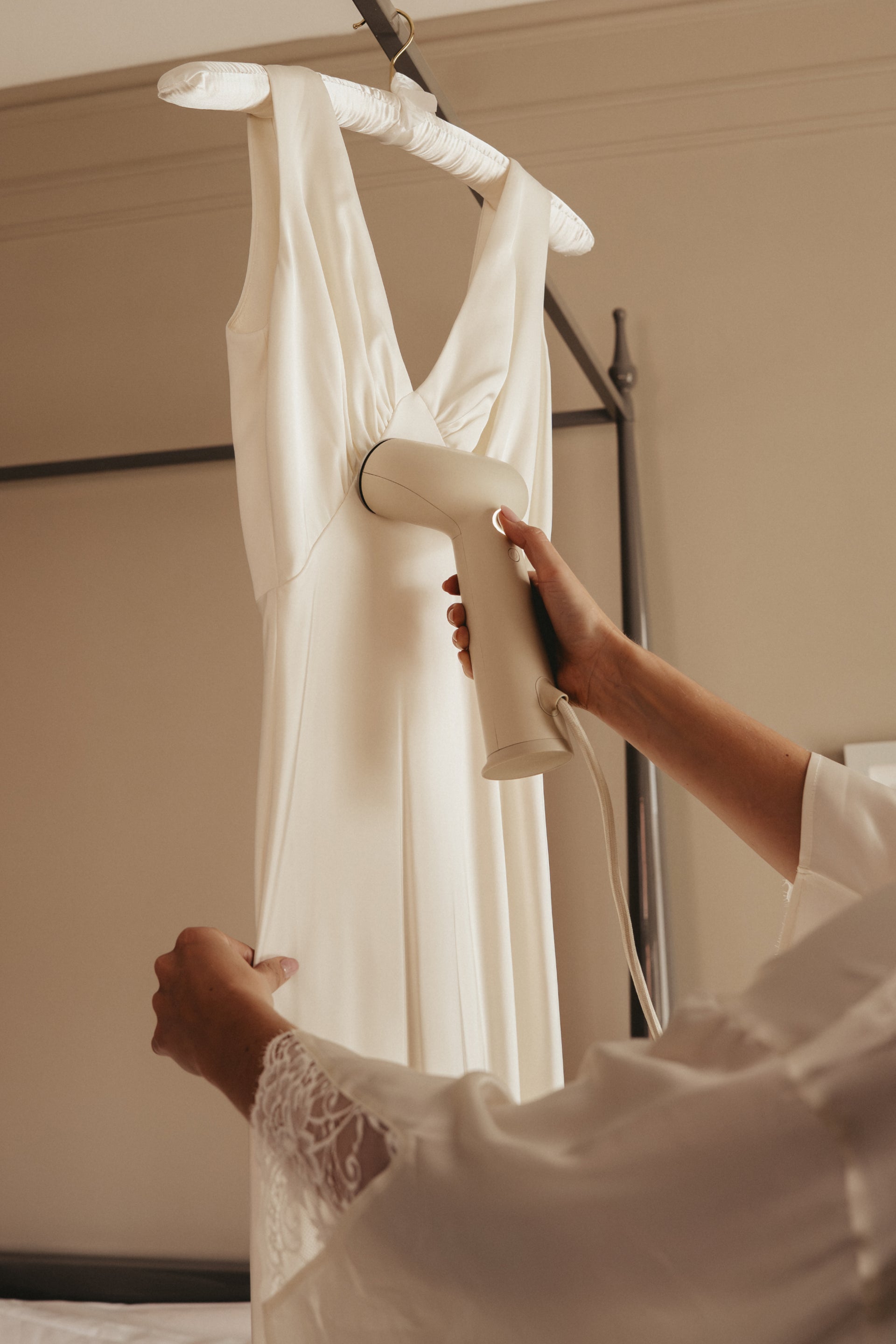
Common materials used in wedding dresses and suits
Silk
Silk is a natural protein fiber that is produced by silkworms. Known for its luster, shine, strength, and durability, it has a long trading history across the world.
Care advice for silk garments
Satin
Satin is not a specific type of fabric but refers to the weave. Satin can therefore consist of different fibers. Originally, satin was made using only silk, but modern satin can also be made from polyester and rayon.
Tulle
Tulle is a thin, lightweight netted fabric and can be made of various fibers, like nylon, silk, but most commonly polyester.
Wool
Wool is a natural protein fiber that is obtained from the undercoats of sheep or goats. Wool is naturally antibacterial and odor-resistant and can be washed very infrequently.
Care advice for wool garments
Cotton
Cotton is made from the fluffy fibers of the cotton plant. Cotton garments are much more durable and forgiving than materials like silk or wool. Due to the fiber structure, cotton can endure a lot of machine washing, tumble drying, and ironing.

We all know how jet lag affects the body – but have you ever considered what happens to your clothes when they travel?
What your clothes are made of will impact how comfortable they are to wear in the summer. The easiest way to avoid sweat stains is to be strategic with the...
Looking for some new ways to care for and preserve the clothes you already own? Here are seven clothing care routines that will prolong the life of your wardrobe.
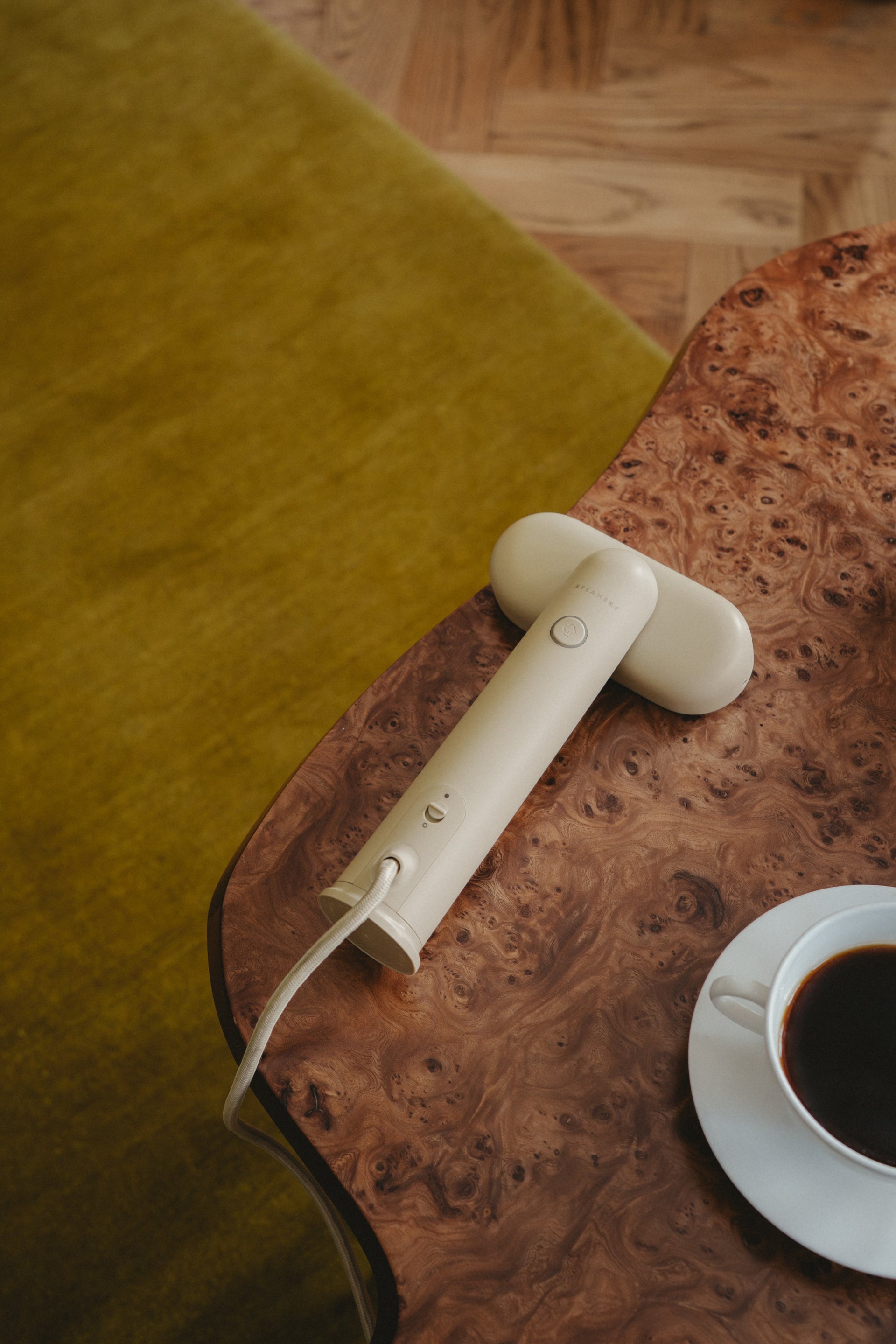
Steaming is a gentle and effortless way to remove wrinkles from clothes and home textiles. In this guide, we will teach you all about how to steam clothes with a...
Please confirm your location