


Care advice for gym clothes and activewear
Functional wear works hard. A few simple habits keep it performing, smelling good, and lasting longer.

Linen fabric has been around for thousands of years.It'scool to the touch, grows with almost nothing, and gets better the more you use it. It also needs a little attention to stay that way.
Linen absorbs up to 20% of its own weight in moisture without ever feeling damp.
Walk into any linen closet, and the name alone tells you something. Bed linen, linen cabinets, the linen cupboard: the word for the storage is the word for the thing. That's not a coincidence. For most of human history, linen was simply what cloth meant. The ancient Egyptians wrapped their mummies in it. Medieval Europeans built their wardrobes around it. Long before cotton arrived in force, flax was the fiber everyone reached for.
Linen comes from the flax plant, one of the oldest cultivated crops on earth. What makes the flax plant worth growing today, beyond tradition, is how little it asks for. It needs very little water. It grows in cool climates and in soils too poor to support food crops. It resists many common pests naturally, so pesticides are rarely needed. Compared to cotton, which is one of the thirstiest and most chemically intensive crops in agriculture, flax is a quiet, self-sufficient choice. As sustainable fabrics go, linen earns its reputation.
The fabric itself carries those qualities forward. Linen clothing keeps you cool because the fiber absorbs moisture so efficiently: up to 20% of its own weight, without ever feeling damp against the skin. That's why linen shirts, linen suits, linen blouses, and linen sheets have always been the warm-weather choice. It's also naturally antibacterial and has a low affinity for dirt, which means it stays fresher between washes than most fabrics.
Linen is not fragile, but it does have preferences. The key rule is water: linen needs plenty of it. Washing in water-saving eco programs or with a reduced fill can cause the fabric to fold under pressure and develop stress marks. Let the garment or textile soak before the cycle begins, and choose a program that uses a full water level.
For linen sheets, towels, and dish cloths, 60°C is the right temperature. Washing above 80°C risks breaking down the fiber's natural qualities over time, so keep it below that threshold. For delicate linen items, embroidered cloths, or sheer linen curtains, use a wool program or hand wash instead. Always air the piece and treat any stains before washing. A full machine wash is the last resort, not the first.
Fabric softener isn't doing your linen any favors. It's a cocktail of unnecessary chemicals, and most of it ends up in waterways. If you want that relaxed, slightly rumpled look, skip it entirely. Instead, shape your sheets and duvet covers by hand while the fabric is still a little damp. The result is the same; the impact is not.
Spin gently. Rather than a high-speed spin cycle, squeeze out excess water by hand. Then hang the piece straight away, smoothing the seams as you go. Iron at high temperatures or steam, unless you want that messy, wrinkly look.
Does linen stretch?
Often, yes. If you're caught between two sizes, go with the smaller one.
What temperature should I wash linen at?
Up to 80°F is fine for most garments, and many pieces come out perfectly clean at 86°F (30°C). Linen doesn't hold onto dirt the way cotton does. For bed linen and towels, 140°F (60°C) is recommended. Just keep in mind that repeated washes at high temperatures can dull the color of darker or more saturated pieces.
Should I iron linen?
Yes, and the key is to do it while the fabric is still slightly damp. The heat relaxes the fibers beautifully: linen comes out soft, with a gentle sheen, and holds up better against daily wear. That said, steaming is even better. It delivers all the same results, faster, and with far less risk to the fabric. The Cirrus 3 Iron Steamer handles both in one.
Should I steam linen?
You should. Fresh from the wash, linen can feel stiff and a little reluctant. A pass with a steamer changes that completely: the fibers open up, the fabric softens, and the garment drapes the way it was made to. Steaming linen is one of the faster rituals in a care routine, and the difference is immediate.
Does linen wrinkle?
Yes, linen wrinkles. Tumble drying makes it worse (reason enough to air dry). But that's part of the appeal: a little texture gives linen its character, and for casual wear, it's part of the look rather than a problem to solve.
Should I hand wash linen?
For most linen, machine washing is fine. Hand wash the delicate pieces: sheer linen, embroidered items, curtains, and cloths. If you're unsure, hand washing is always the gentler call.
Which detergent should I use?
Choose something mild. Our Active Laundry Detergent is well suited to natural fibers and keeps linen feeling clean without stripping it.
Do I need to mangle linen?
Only if you love the ritual of it. Mangled linen cloths develop a beautiful sheen and resist dirt a little better. But most people don't have a mangle, and that's perfectly fine. A softly wrinkled linen tablecloth brings exactly the right tone to a table setting: unhurried, considered, lived in.
Is linen antibacterial?
It is, yes. Linen doesn't retain moisture, which means bacteria have little to work with. Odors don't cling to it the way they do to synthetic fabrics. That's part of why a linen sweater outlasts a synthetic training top not just in durability, but in freshness.

Functional wear works hard. A few simple habits keep it performing, smelling good, and lasting longer.
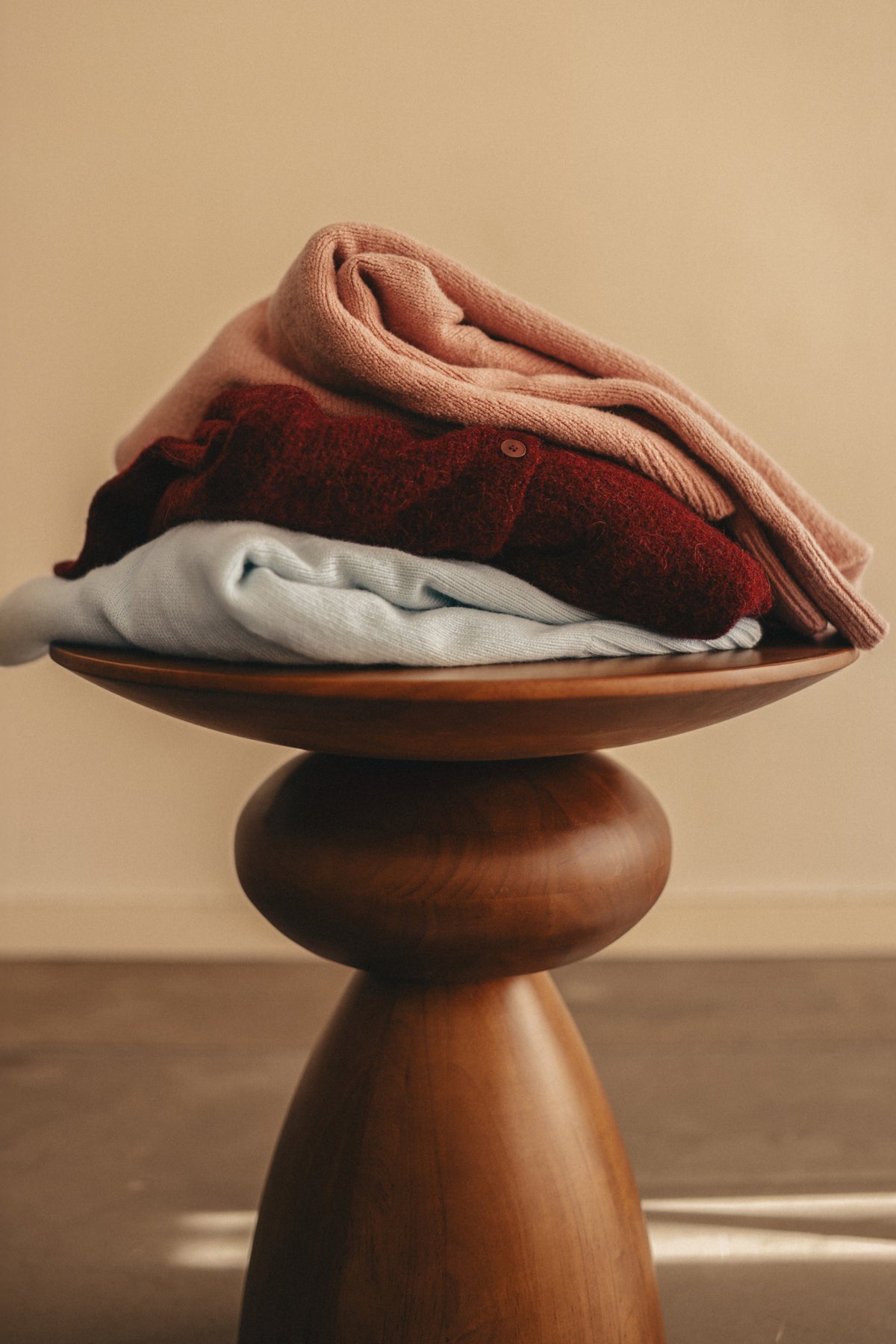
Learn how to wash your down jackets, fleece sweaters, and wool garments. Discover our best laundry advice for classic winter clothes.
Repair can be a form of renewal, bringing a new expression to the pieces already in your wardrobe.
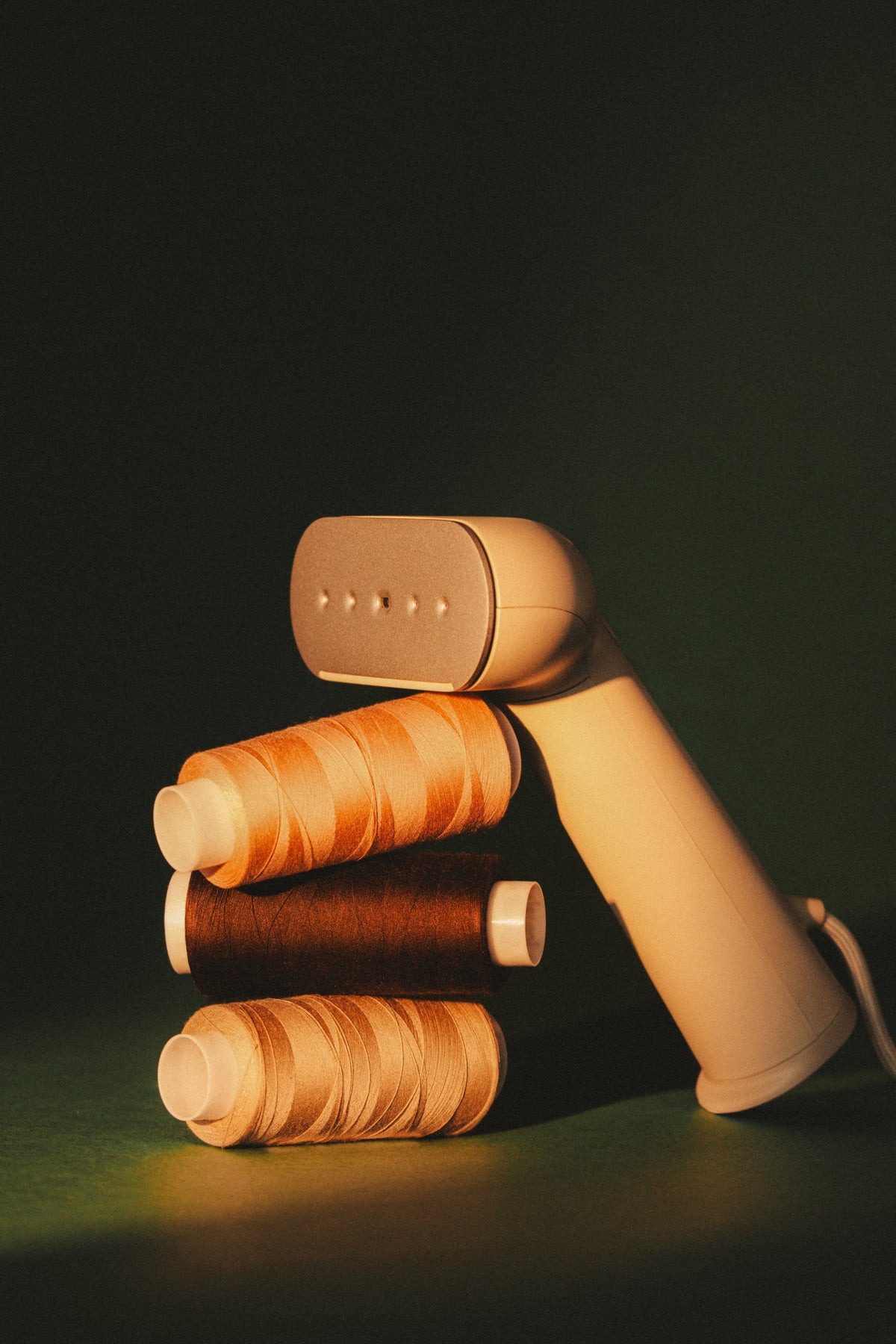
From daily care to destination dressing, explore our guide to finding the right garment steamer for your wardrobe.
Please confirm your location